


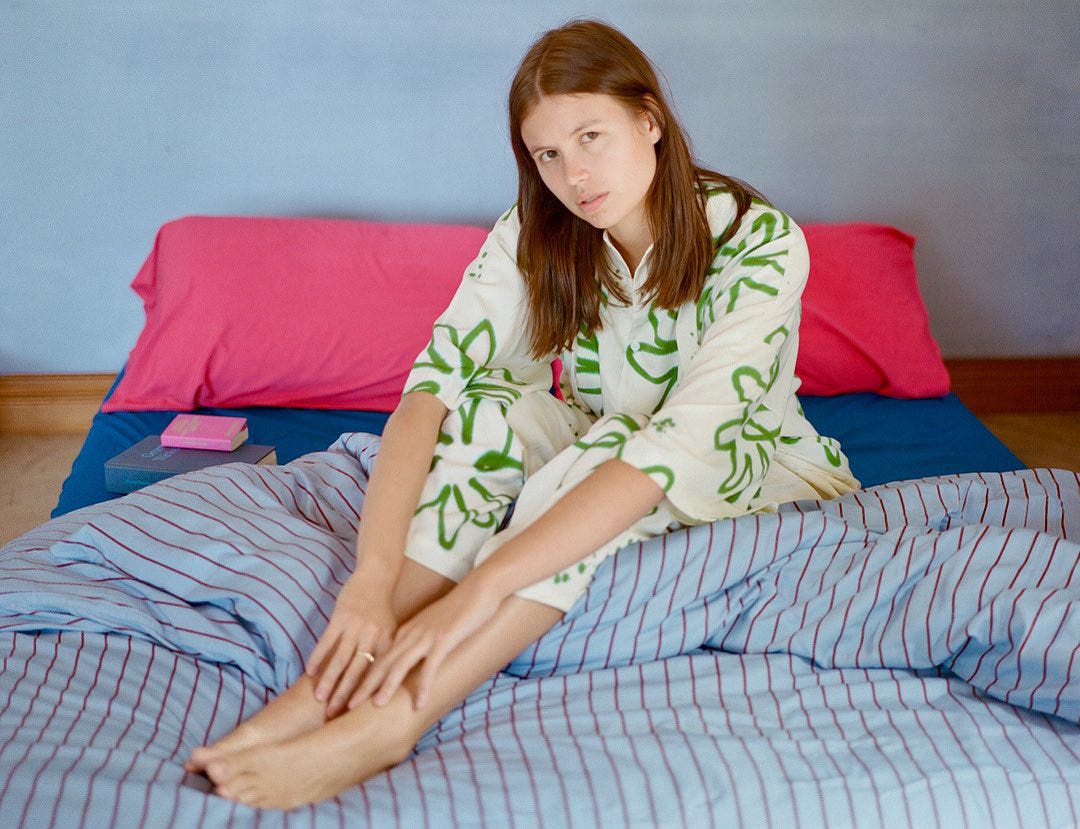
How to Sleep When You Can’t Sleep: Techniques to Help You Rest Better
Struggling to fall asleep can be a frustrating experience, especially when your body and mind refuse to cooperate. Sleep is essential for our physical and mental health, yet many people face difficulties in getting the rest they need. If you find yourself staring at the ceiling, unable to drift off, there are proven strategies to help guide you into a peaceful slumber. Here are some guides about how to sleep when you can’t sleep.
Controlled Breathing
One of the simplest and most effective ways about how to be able to sleep is through controlled breathing. This method focuses on deep, rhythmic inhalations and exhalations, which help to calm the nervous system and shift your body into a state of relaxation.
Controlled breathing works by engaging the parasympathetic nervous system, also known as the "rest-and-digest" system. When activated, it counters the stress-induced "fight-or-flight" response, allowing your body to relax.
Here’s a simple breathing exercise to try:
- Find a comfortable position, either lying down or sitting upright.
- Close your eyes and take a slow, deep breath through your nose for about four seconds.
- Hold your breath for four seconds, then exhale slowly through your mouth for six seconds.
- Repeat this cycle several times, focusing on the sensation of your breath as it flows in and out.
This practice can be done as a standalone exercise or paired with other relaxation techniques to enhance its effectiveness.
Progressive Muscle Relaxation (PMR)
Progressive Muscle Relaxation is another effective tool for combating sleeplessness. This method involves systematically tensing and relaxing each muscle group in your body, promoting physical relaxation and mental calmness.
The idea behind PMR is that physical tension often mirrors mental stress, and releasing one can help alleviate the other. Here’s how to practice PMR:
- Start by lying in a comfortable position. Close your eyes and take a few deep breaths.
- Begin with your feet. Tense the muscles in your toes and hold for about five seconds. Then, release the tension completely and notice the difference.
- Move to your calves, thighs, abdomen, chest, arms, and finally, your face. Tense each muscle group for five seconds, then relax.
- Focus on the feeling of relaxation spreading throughout your body.
Practicing PMR regularly can train your body to release tension more easily, making it a useful tool for managing sleeplessness.
Dr. Andrew Weil's 4-7-8 Breathing Technique
Dr. Andrew Weil’s 4-7-8 breathing technique is a powerful variation of controlled breathing that’s specifically designed to help you fall asleep faster. Rooted in ancient yogic practices, this method is particularly effective for reducing stress and calming an overactive mind.
Here’s how to do it:
- Sit or lie in a comfortable position. Place the tip of your tongue against the roof of your mouth, just behind your front teeth.
- Exhale completely through your mouth, making a whooshing sound.
- Close your mouth and inhale quietly through your nose for a count of four.
- Hold your breath for a count of seven.
- Exhale completely through your mouth for a count of eight, making the whooshing sound again.
- Repeat the cycle four times.
This method works by slowing your heart rate and encouraging relaxation. Regular practice can also help you develop a stronger sense of control over your breathing, which can be beneficial in managing stress and anxiety.
Read also: 7 Easy Tips to Fix Your Sleep Schedule
Play a Word Game
When your mind refuses to quiet down, engaging in a simple mental exercise like a word game can help distract you from intrusive thoughts. Word games work by gently focusing your attention, reducing mental chatter, and paving the way for sleep.
One such game involves thinking of words that start with a particular letter or belong to a specific category. For example:
- List animals that start with the letter “B.”
- Think of cities that begin with “S.”
Alternatively, you could try mentally reciting the alphabet and associating each letter with a positive or calming word. This activity not only redirects your focus but also fosters a sense of calm and mindfulness.

Body Scan Meditation
Body scan meditation is a mindfulness practice that helps you become aware of physical sensations, promoting relaxation and grounding you in the present moment. This method is especially helpful for those whose sleeplessness is fueled by racing thoughts or anxiety.
To practice a body scan:
- Lie down in a comfortable position and close your eyes.
- Take a few deep breaths, focusing on the sensation of air entering and leaving your body.
- Start at the top of your head and slowly work your way down, paying attention to each part of your body. Notice any tension, discomfort, or areas of relaxation.
- If you encounter tension, imagine releasing it with each exhale.
Body scan meditation not only helps you relax physically but also cultivates mindfulness, which can improve overall sleep quality over time.
Read also: 5 Tips on How to Improve Your Sleeping Quality
Autogenic Training
Autogenic training is a self-hypnosis technique that uses visualization and affirmations to promote relaxation. This method encourages a sense of calm by teaching your body to respond to specific cues.
Here’s a step-by-step guide:
- Find a quiet place where you won’t be disturbed. Sit or lie down in a comfortable position.
- Close your eyes and take a few deep breaths.
- Repeat calming phrases to yourself, such as:
- “My arms and legs feel heavy and warm.”
- “My heartbeat is calm and steady.”
- “My breathing is slow and relaxed.” - Visualize these sensations as vividly as possible. Imagine warmth spreading through your body or your heart beating in a steady rhythm.
With regular practice, autogenic training can help you tap into your body’s natural relaxation response, making it easier to fall asleep.
Imagery
Imagery, or guided visualization, involves mentally transporting yourself to a peaceful and relaxing place. This method works by engaging your imagination and diverting your attention away from stress or intrusive thoughts.
To practice imagery:
- Close your eyes and take a few deep breaths.
- Picture a serene location, such as a quiet beach, a lush forest, or a cozy cabin.
- Engage all your senses. Imagine the sound of waves crashing, the feel of soft sand beneath your feet, or the scent of pine trees.
- Immerse yourself in this mental image, allowing it to soothe and calm you.
Imagery can be a powerful tool for creating a sense of calm and relaxation, making it easier to transition into sleep.
The Military Method
The military method is a systematic approach to falling asleep that’s said to have been developed by the U.S. Army to help soldiers rest quickly in challenging environments. This technique focuses on physical relaxation and mental distraction.
Here’s how it works:
- Start by lying down in a comfortable position. Relax your facial muscles, including your jaw, tongue, and the area around your eyes.
- Drop your shoulders and let your arms hang naturally by your sides. Focus on releasing any tension in your upper body.
- Exhale deeply, relaxing your chest and legs.
- Once your body is relaxed, shift your attention to your mind. Visualize a peaceful scene, such as lying in a canoe on a calm lake under a starry sky.
- If intrusive thoughts persist, repeat a calming phrase like “don’t think” for about 10 seconds.
With practice, the military method can help you fall asleep in as little as two minutes.
When sleep feels out of reach, these techniques can serve as valuable tools to help calm your mind and body. Whether you prefer a physical relaxation method like Progressive Muscle Relaxation, a breathing technique like Dr. Weil’s 4-7-8 method, or a mental exercise like imagery, experimenting with different strategies can help you find what works best for you.
Sleep is essential, and while occasional sleeplessness is normal, persistent difficulty falling asleep may require a deeper look into lifestyle habits, stress levels, or potential underlying conditions. By incorporating these relaxation techniques into your nightly routine, you can create a foundation for more restful and restorative sleep.
Prepare for better rest with training gear from MASARISHOP.COM! Our high-performance activewear supports a balanced lifestyle to help you sleep better and recover faster. Explore now!
Share the News




The people featured in this story are not associated with MASARISHOP.COM and do not endorse it or the products shown
Written by:
MASARISHOP.COM TEAMPhotographed by:
SUKUDate Published:
December 31, 2024Date Modified:
December 31, 2024Read More


Post-shower Skincare Routine: Tips for a Fresh and Glowing Complexion
November 28, 2023
READ AND SHOP NOW