


Understanding Hair Fall and Hair Loss: Causes, Prevention, and Effective Solutions
If you've ever noticed strands of hair on your pillow or in your brush, you're not alone. Many people experience concerns about hair fall and hair loss. Understanding the distinctions between these two issues is essential for effective management and treatment. In this article, we'll explore what hair fall and hair loss are, their causes, and how to treat them. Let's dive in!
What is Hair Fall?
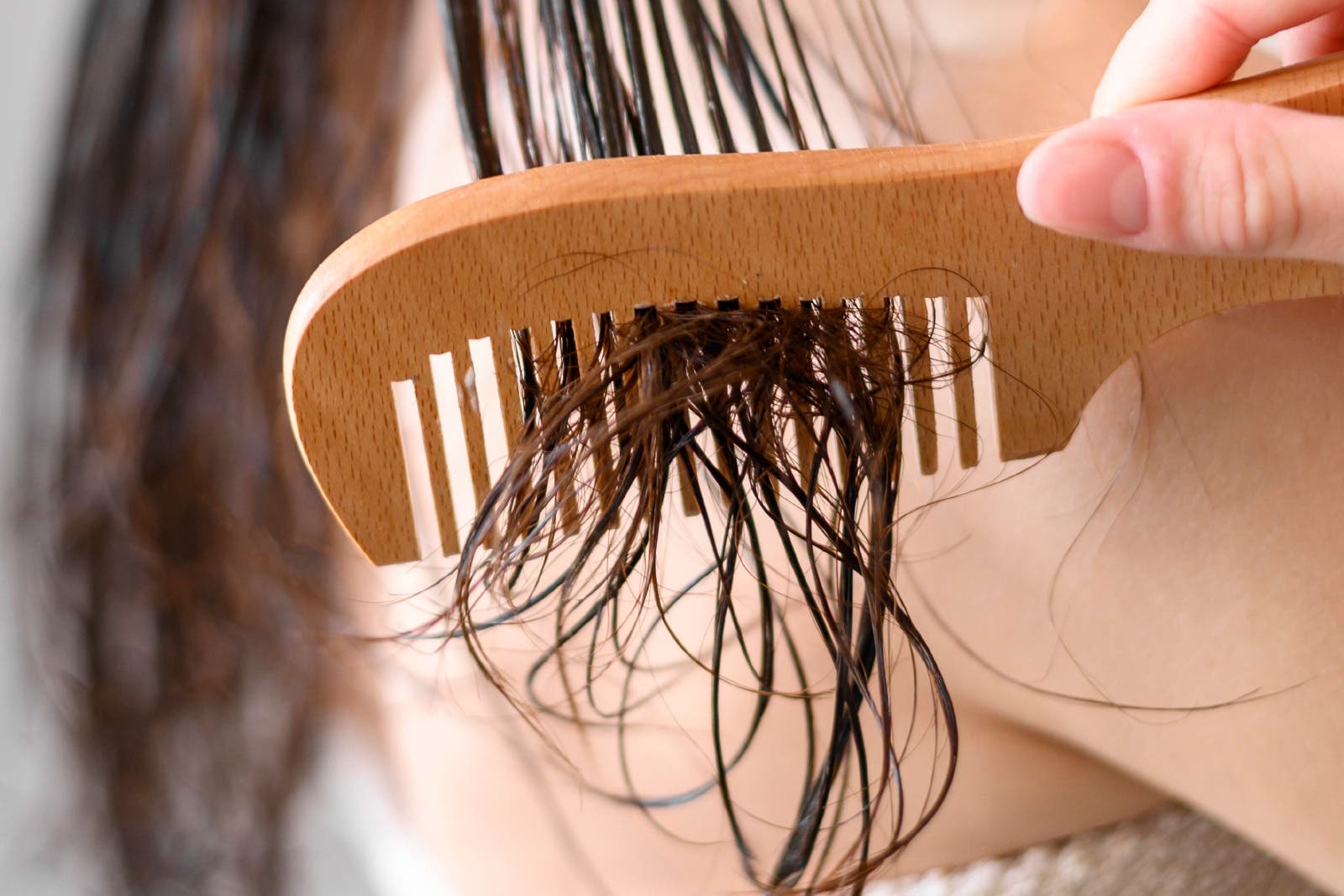
Hair fall refers to the natural shedding of hair that occurs as part of the hair growth cycle. This process is typically temporary and can happen to anyone. It's important to recognize that some hair fall is completely normal and happens daily as your hair goes through its growth phases. If you're noticing more than usual, though, it might be time to look into the potential causes.
What are the Causes of Hair Fall?
Several factors can contribute to hair fall. Here are some common causes:
1. Environmental Factors
Pollution, harsh weather conditions, and other environmental stressors can lead to hair fall. These elements can damage your hair and scalp, making it more prone to shedding.
2. Lifestyle Factors
Diet and lifestyle choices play a significant role in your hair's health. Stress, lack of proper nutrition, and insufficient sleep can increase the likelihood of hair fall.
3. Hair Care Practices
Over-styling, using harsh chemicals, or applying excessive heat can all contribute to hair fall. It's essential to adopt a gentle hair care routine to minimize damage.
What is Hair Loss?
Hair loss, on the other hand, is a more severe issue. It refers to excessive and persistent shedding that leads to noticeable thinning or bald patches. Unlike hair fall, which is typically temporary, hair loss can be a more chronic condition that may require attention.
What are the Causes of Hair Loss?
Several factors contribute to hair loss, and understanding them can help you seek appropriate treatment. Here are some key causes:
1. Genetic Predisposition
Hereditary factors are one of the most common causes of hair loss. Conditions like androgenetic alopecia, often referred to as male or female pattern baldness, can run in families.
2. Hormonal Changes
Hormonal fluctuations, such as those experienced during pregnancy, menopause, or due to conditions like polycystic ovary syndrome (PCOS), can lead to hair loss.
3. Medical Conditions
Certain medical conditions, such as thyroid disorders or autoimmune diseases, can cause significant hair loss. It's essential to consult a healthcare professional if you suspect an underlying condition.
How to Treat Hair Fall and Hair Loss?
Treating hair fall and hair loss requires understanding the underlying causes. Here are some potential solutions:
1. Consult a Doctor
If you notice persistent hair fall or significant hair loss, it's crucial to consult a healthcare professional. They can provide an accurate diagnosis and suggest the best course of action.
2. Dietary Adjustments
Incorporating a balanced diet rich in vitamins, minerals, and proteins can promote healthy hair. Foods like fish, nuts, and leafy greens are excellent choices for hair health.
3. Gentle Hair Care
Adopting a gentle hair care routine can minimize damage. Use mild shampoos and conditioners, and avoid excessive heat styling. Additionally, consider reducing the frequency of harsh treatments.
Read Also: Hair Care Routine Steps for Healthier Hair
4. Stress Management
Implementing stress management techniques, such as yoga or meditation, can help reduce hair fall associated with stress.
How to Prevent Hair Fall and Hair Loss?
Preventing hair fall and hair loss is just as important as treating them. Here are some strategies to help maintain healthy hair:
1. Maintain a Healthy Diet
A well-balanced diet rich in vitamins A, C, D, E, zinc, and omega-3 fatty acids is crucial for hair health. Incorporate a variety of fruits, vegetables, whole grains, and lean proteins into your meals.
2. Stay Hydrated
Drinking enough water is essential for overall health, including hair health. Hydration helps keep your hair follicles healthy and promotes better hair growth.
3. Protect Your Hair
Minimize exposure to harsh chemicals and heat-styling tools. When using heat, apply a heat protectant spray, and consider wearing a hat when exposed to the sun for long periods.
4. Regular Scalp Care
Keep your scalp clean and healthy by washing it regularly with a mild shampoo. Consider incorporating scalp massages to improve blood circulation and promote hair growth.
5. Manage Stress
As stress can contribute to both hair fall and hair loss, finding effective ways to manage stress is key. Regular exercise, mindfulness, and relaxation techniques can help you stay calm and balanced.
Read Also: 3 Types of Haircuts for Your Next Salon Visit
Understanding the differences between hair fall and hair loss is essential for effective treatment. By addressing the underlying causes and adopting healthy hair care practices, you can maintain luscious locks. If you're dealing with persistent hair concerns, don't hesitate to reach out for professional advice.
While you're focusing on healthier hair, why not elevate your style too? Explore the latest trends from designer brands on MASARISHOP.COM and find the perfect looks to complement your beauty routine. Your journey to healthier hair and head-turning style starts now!
Share the News




The people featured in this story are not associated with MASARISHOP.COM and do not endorse it or the products shown
Written by:
MASARISHOP.COM TEAMPhotographed by:
Georges BiardDate Published:
August 20,2024Date Modified:
August 20,2024Read More

Post-shower Skincare Routine: Tips for a Fresh and Glowing Complexion
November 28, 2023
READ AND SHOP NOW