

Scent Stories: Decoding Eau de Parfum vs. Eau de Toilette
Uncover the nuances of Eau de Parfum vs Eau de Toilette as we delve into their differences in longevity, concentration, and ideal usage. This informative piece is tailored for fragrance enthusiasts seeking to make an informed decision on which type of fragrance suits their preferences and lifestyles. Whether you're a connoisseur or a novice, this article will help you navigate the world of scents with confidence.
What is Eau de Parfum?
Eau de Parfum, often abbreviated as EDP, is a type of fragrance that contains a higher concentration of perfume oils compared to other types of scents. Typically, Eau de Parfum contains between 15% to 20% perfume oil, making it more potent and longer-lasting than other fragrance variations.
In terms of longevity and intensity, Eau de Parfum is known for its ability to linger on the skin for an extended period. The higher concentration of oils allows the scent to gradually unfold and develop over time, providing a rich and complex olfactory experience. This makes Eau de Parfum an ideal choice for individuals who prefer a long-lasting fragrance that evolves throughout the day.
Eau de Parfum is best suited for special occasions and evening events where a more intense and sophisticated scent is desired. Its longevity and depth make it a popular choice for formal gatherings, romantic evenings, and other memorable events where a lasting impression is important.
Read Also: Luxury in a Bottle: Unveiling the Top Fragrances Every Woman Should Own
What is Eau de Toilette?
Eau de Toilette, often abbreviated as EDT, is another type of fragrance that contains a lower concentration of perfume oils compared to Eau de Parfum. Typically, Eau de Toilette contains between 5% to 15% perfume oil, making it lighter and more subtle in comparison.
In terms of longevity and intensity, Eau de Toilette is known for its refreshing and invigorating qualities. While it may not last as long as Eau de Parfum, it still provides a noticeable scent that lingers for several hours. Eau de Toilette is often favored for its ability to offer a pleasant and uplifting fragrance experience without overwhelming the senses.
Eau de Toilette is best suited for everyday wear, casual outings, and daytime activities where a lighter and more refreshing scent is preferred. Its versatility and subtlety make it a popular choice for work environments, outdoor gatherings, and other situations where a more understated fragrance is appropriate.
Key Differences Between Eau de Parfum vs Eau de Toilette
When navigating the realm of fragrances, discerning between Eau de Parfum and Eau de Toilette is crucial, as each holds distinct characteristics that can significantly influence your olfactory experience. Here are the key differences between Eau de Parfum vs Eau de Toilette:
1. Concentration of Fragrance Oils
Due to its higher concentration of perfume oils, Eau de Parfum has a longer-lasting effect on the skin, gradually unfolding and evolving. On the other hand, Eau de Toilette offers a more immediate and refreshing scent that may not last as long as Eau de Parfum but still provides a noticeable presence for several hours.
2. Longevity on the Skin
Due to its higher concentration of perfume oils, Eau de Parfum has a longer-lasting effect on the skin, gradually unfolding and evolving over time. On the other hand, Eau de Toilette offers a more immediate and refreshing scent that may not last as long as Eau de Parfum but still provides a noticeable presence for several hours.
3. Ideal Usage for Different Occasions
Eau de Parfum is well-suited for special occasions and evening events where a more intense and sophisticated scent is desired. Its long-lasting nature makes it an ideal choice for creating a lasting impression in formal settings. On the other hand, Eau de Toilette is best suited for everyday wear, casual outings, and daytime activities where a lighter and more refreshing scent is preferred.
Choosing the Right Fragrance for You
Selecting the perfect fragrance is a deeply personal journey that intertwines individual taste, personality, and lifestyle preferences. To embark on this olfactory adventure with confidence, consider the following tips:
1. Understanding Your Personal Preference
When choosing between Eau de Parfum vs Eau de Toilette, it's essential to consider your personal preference for fragrance intensity and longevity. If you prefer a long-lasting and intense scent that evolves, Eau de Parfum may be the ideal choice for you. However, if you prefer a lighter and more refreshing scent that offers a subtle presence, Eau de Toilette may better suit your preferences.
Read Also: 2 Types of Perfume Scent That You Need to Know
2. Considering the Occasion and Environment
It's important to consider the occasion and environment in which you intend to wear the fragrance. For special events and evening occasions, Eau de Parfum may be the preferred choice, while Eau de Toilette is more suitable for everyday wear and casual settings. Additionally, the climate and temperature of the environment can also influence the choice between the two fragrance types.
3. Testing and Sampling Before Purchasing
Before making a final decision, it's recommended to test and sample both Eau de Parfum and Eau de Toilette to experience their scent profiles on your skin. This allows you to assess how the fragrance develops and interacts with your body chemistry, helping you make an informed decision based on your personal experience.
In conclusion, the choice between Eau de Parfum vs Eau de Toilette ultimately comes down to personal preference, the occasion, and the desired fragrance experience. By understanding the differences in concentration, longevity, and ideal usage, fragrance enthusiasts can confidently navigate the world of scents and make informed decisions when selecting their preferred fragrance type.
Ready to explore an exquisite array of designer fragrances that captivate the senses and elevate your style? Visit MASARISHOP.COM today to indulge in a luxurious selection of perfumes, including iconic Eau de Parfum and Eau de Toilette options.
With our curated collection of designer scents from renowned brands, you can discover the perfect fragrance to complement every mood and occasion. Immerse yourself in the world of fine perfumery and embark on a sensory journey unlike any other. Shop now and experience the allure of designer fragrances at MASARISHOP.COM.
Share the News




The people featured in this story are not associated with MASARISHOP.COM and do not endorse it or the products shown
Written by:
MASARISHOP.COM TEAMPhotographed by:
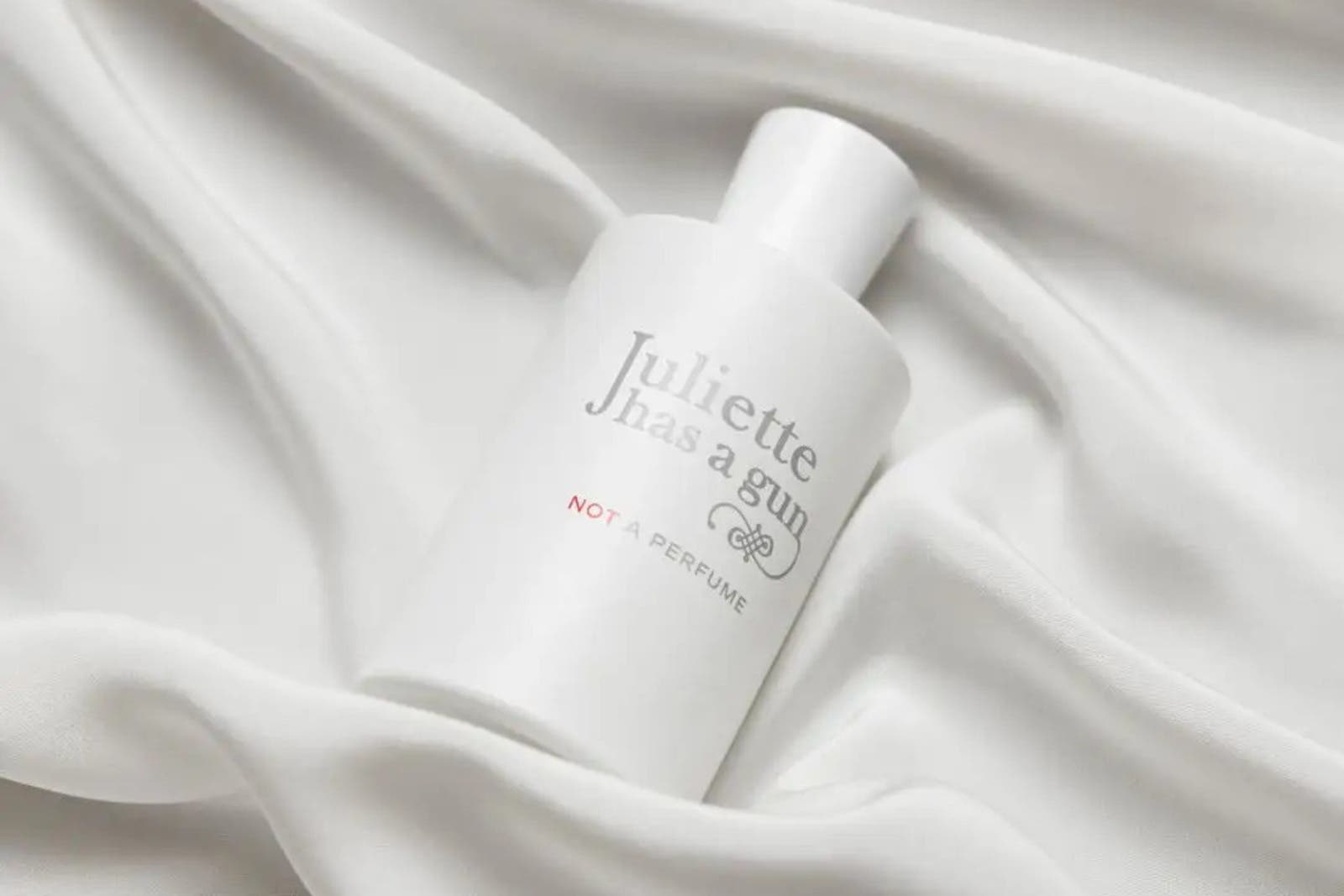
Juliette Has a GunDate Published:
March 19, 2024Date Modified:
March 26, 2025Read More

Post-shower Skincare Routine: Tips for a Fresh and Glowing Complexion
November 28, 2023
READ AND SHOP NOW