


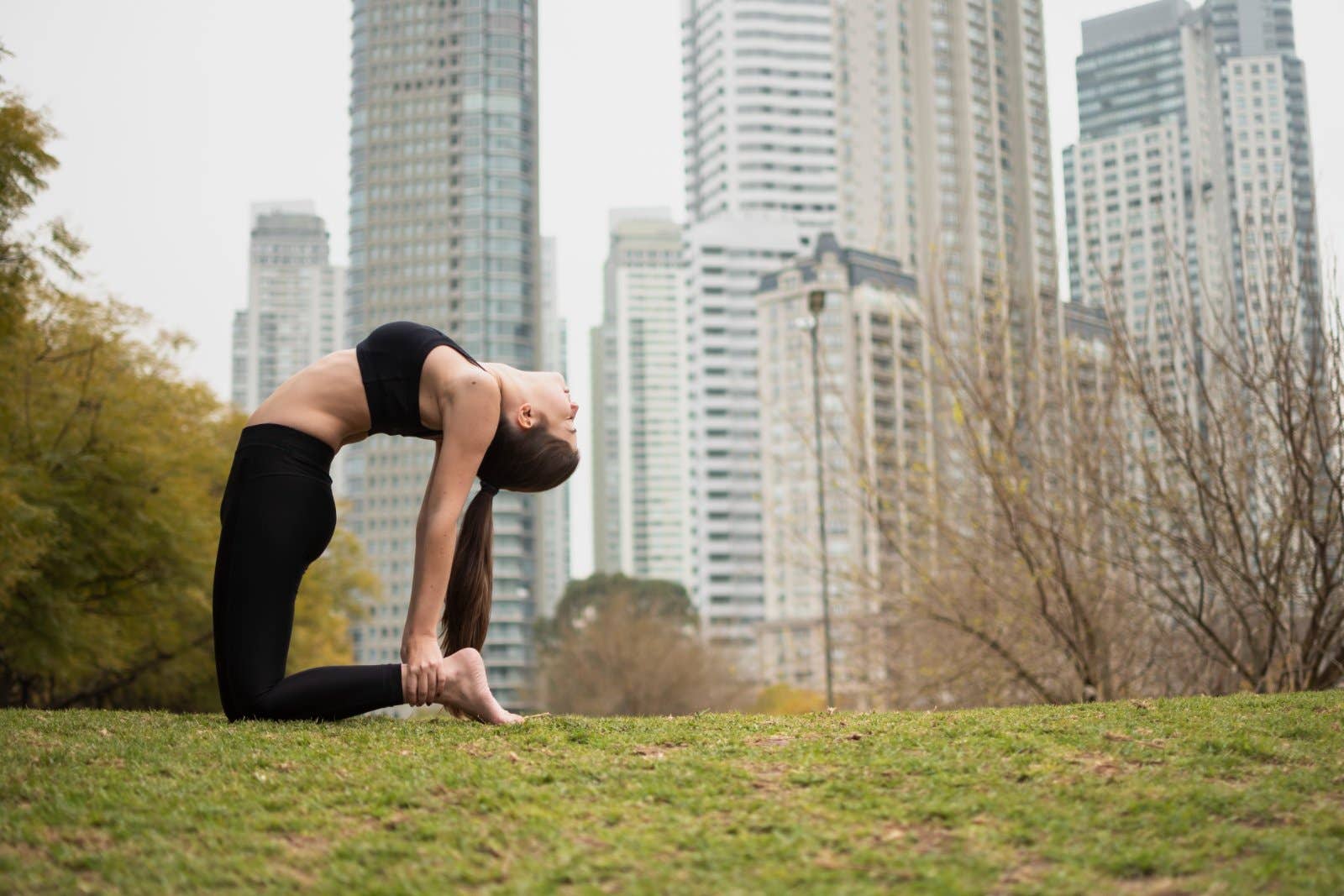
Post-Workout Bliss: Stretching Routines for a Healthy Body
After-workout stretches are essential for maximizing the benefits of your exercise routine and ensuring a healthy body. Engaging in a stretching routine after your workout helps to release tension in your muscles, improve flexibility, and reduce the risk of injury. Incorporating stretches into your post-workout routine can also aid in muscle recovery, allowing you to recover faster and perform better during your next session.
Understanding the benefits of stretching and knowing which stretches to incorporate can significantly enhance your post-workout recovery. By dedicating just a few minutes to stretching after your workout, you can experience the blissful sensation of a well-stretched body and support your overall fitness goals. Let's delve into more details below.
Benefits of Stretching After a Workout
Stretching after a workout offers a myriad of benefits that contribute to your overall health and fitness. Read some benefits below.
1. Improved Flexibility
Engaging in stretching exercises post-workout helps to increase flexibility by elongating the muscles and improving their range of motion. This increased flexibility not only enhances athletic performance but also reduces the risk of injury during future workouts or daily activities. Regular stretching can gradually loosen tight muscles, allowing you to move more freely and comfortably.
2. Enhanced Muscle Recovery
After an intense workout, your muscles may feel tight and tired due to the buildup of lactic acid and other waste products. Stretching helps to flush out these toxins by improving blood circulation to the muscles.
This enhanced blood flow delivers vital nutrients and oxygen to the muscle tissues, promoting faster recovery and reducing post-exercise soreness. Incorporating stretching into your post-workout routine can significantly accelerate the recovery process, allowing you to bounce back stronger for your next training session.
Read Also: 7 Ways on How to Build Healthy Habits
3. Prevention of Muscle Imbalances
Imbalances in muscle strength and flexibility can lead to poor posture, muscle strains, and joint pain. Stretching after a workout helps to address these imbalances by evenly lengthening the muscles and promoting symmetry throughout the body.
By maintaining balanced muscle development, you can reduce the risk of overuse injuries and improve overall movement efficiency. Consistent stretching can also alleviate muscle tightness caused by repetitive movements or sedentary lifestyles, promoting better alignment and posture.
4. Stress Relief and Relaxation
Physical activity, while beneficial for overall health, can sometimes leave the body feeling tense and stressed. Stretching after a workout provides an opportunity to unwind and relax both the body and mind. As you focus on deep breathing and gentle stretching movements, tension gradually melts away, promoting a sense of calm and well-being.
Incorporating mindfulness techniques, such as meditation or visualization, during your post-workout stretching routine can further enhance relaxation and mental clarity. By dedicating time to stretch and unwind after a workout, you can effectively manage stress levels and promote a positive mindset for continued progress in your fitness journey.

Best After-Workout Stretches for Different Muscle Groups
Incorporating targeted stretches for different muscle groups is essential for optimizing post-workout recovery and maintaining flexibility. After workouts, stretches help alleviate muscle tension, improve flexibility, and promote overall recovery.
1. Upper Body Stretches
a. Shoulder Stretch
Reach one arm across your body, grasping the forearm with the opposite hand. Gently pull the arm towards your chest, feeling the stretch in the shoulder and upper back. Hold for 15-30 seconds, and then switch sides.
b. Triceps Stretch
Extend one arm overhead, bending the elbow so the hand reaches toward the opposite shoulder blade. With the opposite hand, gently push the elbow further down behind your head. Hold the stretch for 15-30 seconds and repeat on the other side.
2. Lower Body Stretches
a. Hamstring Stretch
Sit on the floor with one leg extended and the other foot against the inner thigh. Keeping your back straight, hinge forward from your hips, reaching towards the extended leg. Hold the stretch for 15-30 seconds and then switch legs.
b. Quadriceps Stretch
Stand on one leg and gently grab the opposite foot, pulling it towards your glutes. Keep your knees close together and your torso upright. Hold for 15-30 seconds before switching sides.
Read Also: Gym-ready: What to Wear for a Stylish Workout Session
3. Core Stretches
a. Cat-Cow Stretch
Begin on your hands and knees, with your wrists aligned under your shoulders and knees under your hips. Inhale as you arch your back upwards (cat pose), and exhale as you curve your spine downwards, lifting your head and tailbone (cow pose). Repeat this sequence for 5-10 breaths.
b. Seated Twist
Sit with your legs extended in front of you. Bend one knee and cross the foot over the extended leg, placing it on the floor outside the opposite thigh. Twist your torso towards the bent knee, placing the opposite elbow on the outside of the bent knee for support. Hold the stretch for 15-30 seconds, then switch sides.
Integrating stretching routines tailored to various muscle groups into your post-workout regimen is crucial for enhancing recovery and preserving flexibility. After a workout stretches alleviate muscle tension, improve flexibility, and facilitate overall recovery, ensuring you're prepared to tackle your next fitness session with vigor.
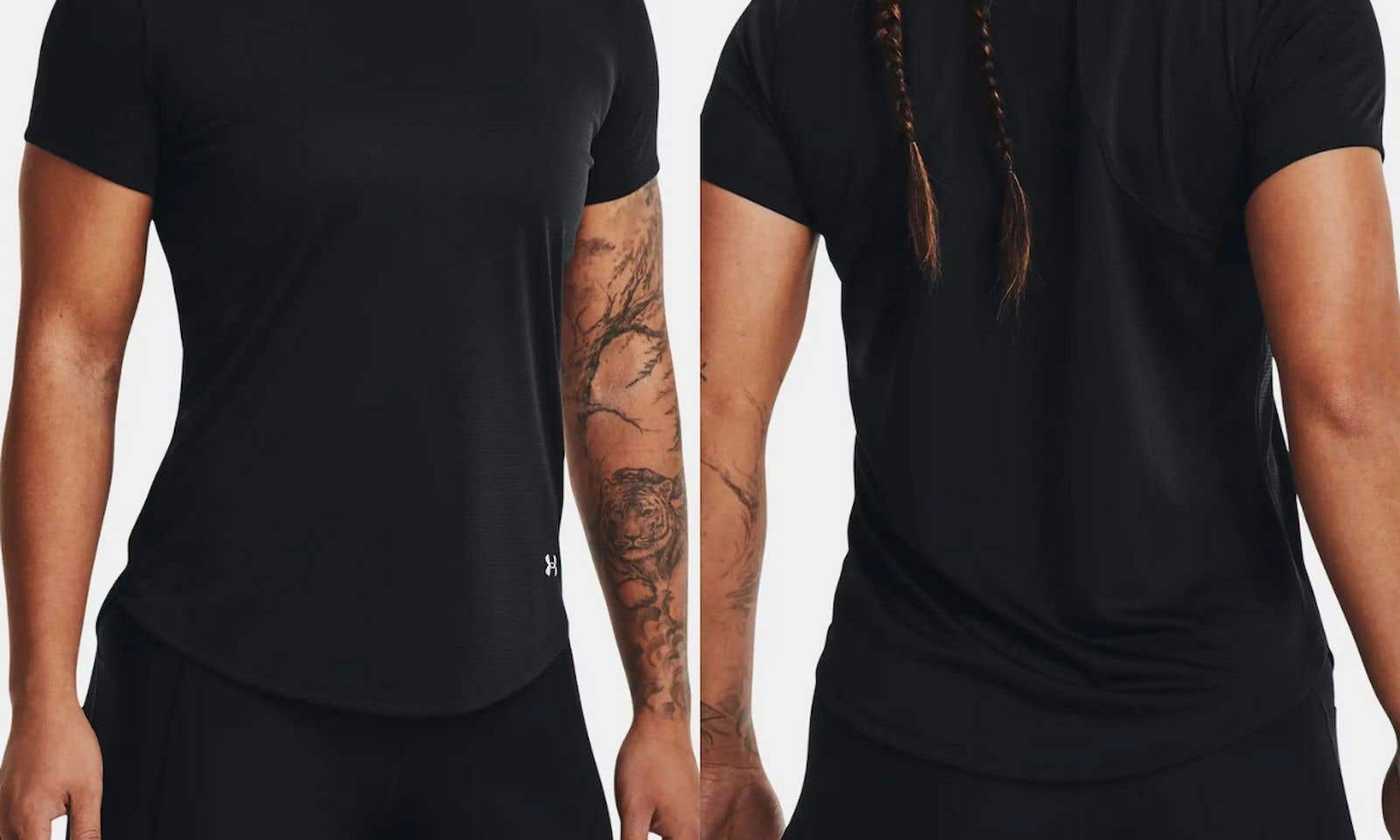
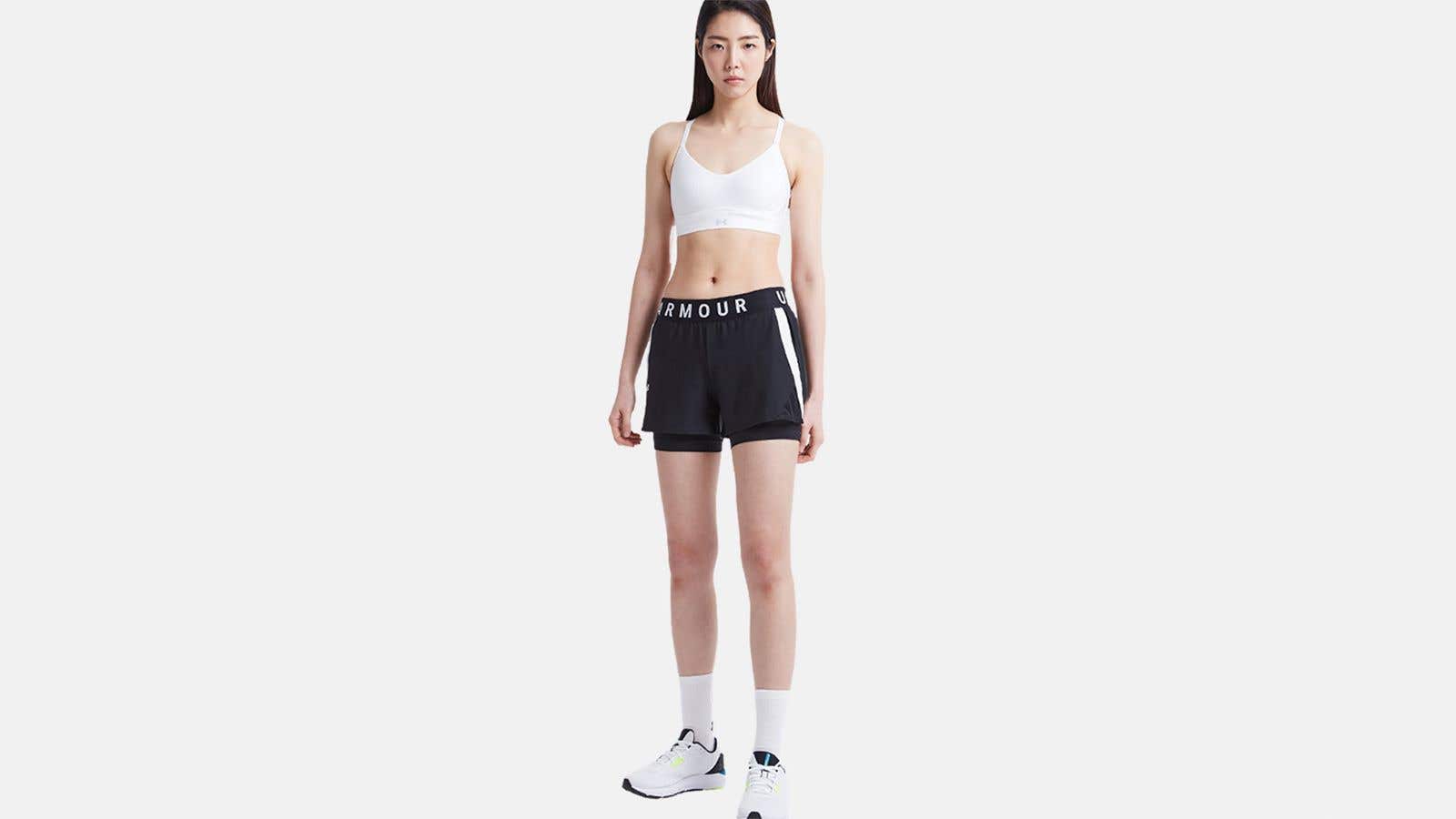
For premium women's activewear that seamlessly complements your workout routine, explore MASARISHOP.COM's selection, featuring renowned brands like Under Armour. Elevate your everyday workouts with high-quality activewear designed to support your active lifestyle. Visit MASARISHOP.COM today and experience the difference in performance and comfort with Under Armour's women's activewear collection.
Share the News




The people featured in this story are not associated with MASARISHOP.COM and do not endorse it or the products shown
Written by:
MASARISHOP.COM TEAMPhotographed by:
FreepikDate Published:
June 19,2024Date Modified:
June 25,2024Read More


What is Activewear Clothing? A Comprehensive Guide to Understanding its Versatility and Benefits
December 18, 2023
READ AND SHOP NOW