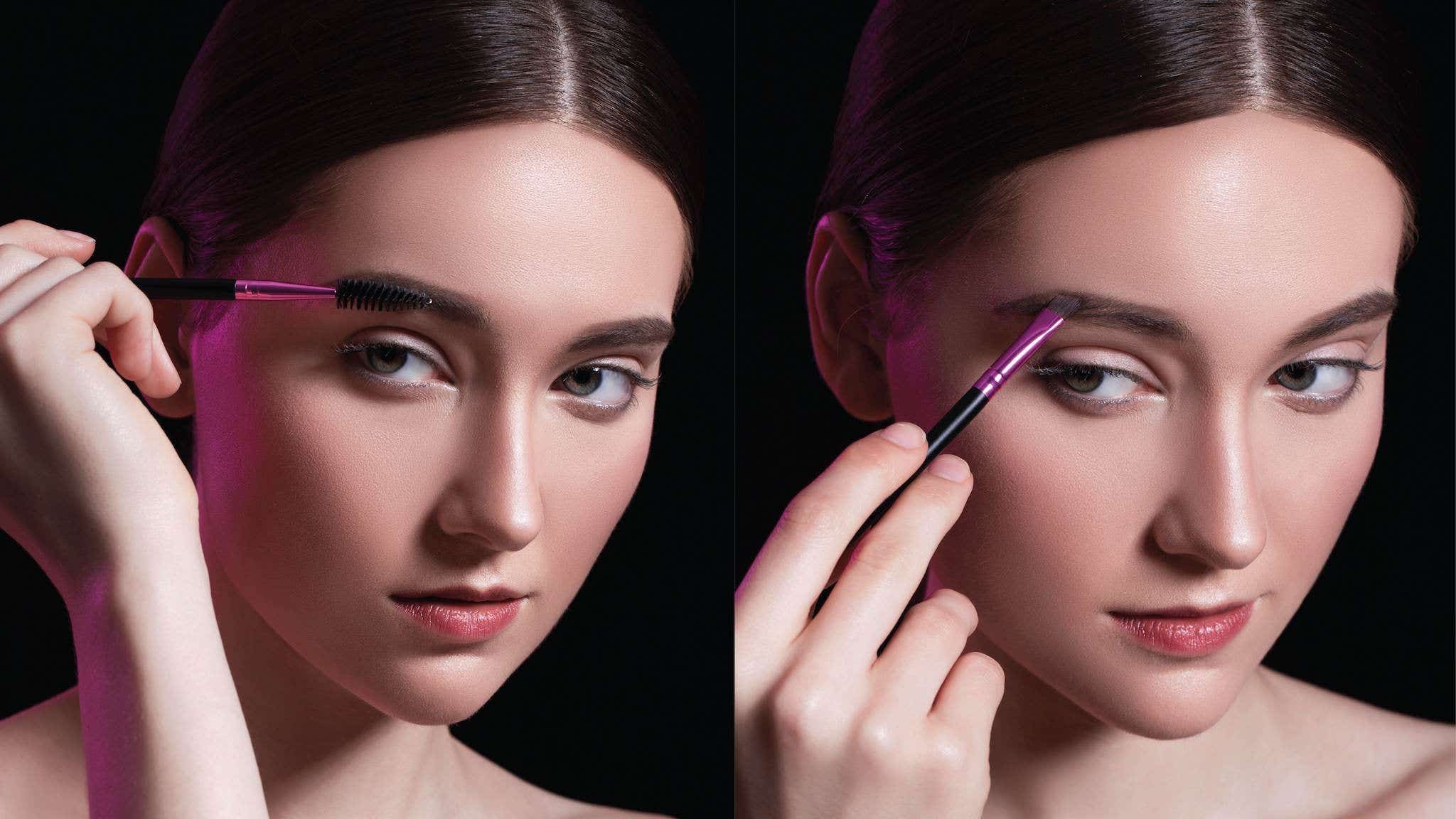


Flawless Finish: Demystifying Foundation vs. Concealer
Are you unsure about the difference between foundation and concealer? Understanding this key aspect of makeup can make a significant difference in your beauty routine. Foundation creates an even base for your makeup, covering the entire face and providing a uniform canvas.
Conversely, concealer is designed for targeted use, addressing specific imperfections like blemishes or dark circles. Knowing when and how to use each product can help you achieve a flawless finish tailored to your needs.
If you want to know the difference between foundation and concealer, read the full article below.
Definition of Foundation and Concealer
The foundation is a makeup product designed to create a smooth and even base for the rest of your makeup application. It comes in various forms, including liquid, cream, powder, and stick, catering to different skin types and preferences.
This foundation provides coverage to even out skin tone, blur imperfections, and create a cohesive canvas for other makeup products. The foundation can enhance your natural complexion by choosing the right shade and formula while providing a polished finish.
Conversely, conceal is a targeted product used to camouflage specific imperfections such as blemishes, dark circles, redness, or discoloration. It typically has a thicker consistency and higher coverage than foundation, concealing problem areas with minimal product.
Concealers come in various shades to match different skin tones and undertones. Depending on personal preference and the severity of the imperfections, concealers can be applied before or after foundation. Overall, concealers help create a flawless complexion by providing additional coverage.
Read Also: Eternal Glamour: Expert Tips for Long-lasting Makeup Perfection
Key Differences Between Foundation and Concealer
Foundation and concealer are two essential components of any makeup routine, each serving distinct purposes in achieving a flawless complexion. Understanding the key differences between foundation and concealer is crucial for selecting the right products and achieving your desired makeup look. Let's delve into the nuances of these two makeup staples to demystify their roles and functionalities in your beauty regimen.

1. Purpose and Coverage
Foundation primarily creates an even base for makeup application, covering the entire face. It helps to even out skin tone, blur imperfections, and make a smooth canvas for other makeup products. The foundation comes in various formulations and finishes, ranging from sheer to full coverage, allowing you to customize the level of coverage based on your preferences and needs.
Conversely, concealer targets specific areas of concern, such as blemishes, dark circles, or hyperpigmentation. It offers higher coverage than foundation and is used to camouflage imperfections by spot-treating problem areas. While foundation provides overall coverage for the face, concealer offers precise coverage for localized imperfections.
2. Consistency and Texture
The foundation typically has a thinner consistency than a concealer, allowing it to spread and blend over a larger surface area easily. It comes in various forms, such as liquid, cream, powder, or stick, each offering different textures and finishes to suit different skin types and preferences.
Some foundations may have a lightweight and buildable texture for a natural-looking finish, while others may offer a more matte or dewy appearance. Conversely, concealer tends to have a thicker consistency and higher pigmentation to provide intense coverage for targeted areas. Its thicker texture helps conceal imperfections effectively without needing multiple layers, ensuring a seamless and flawless finish.
3. Application Techniques
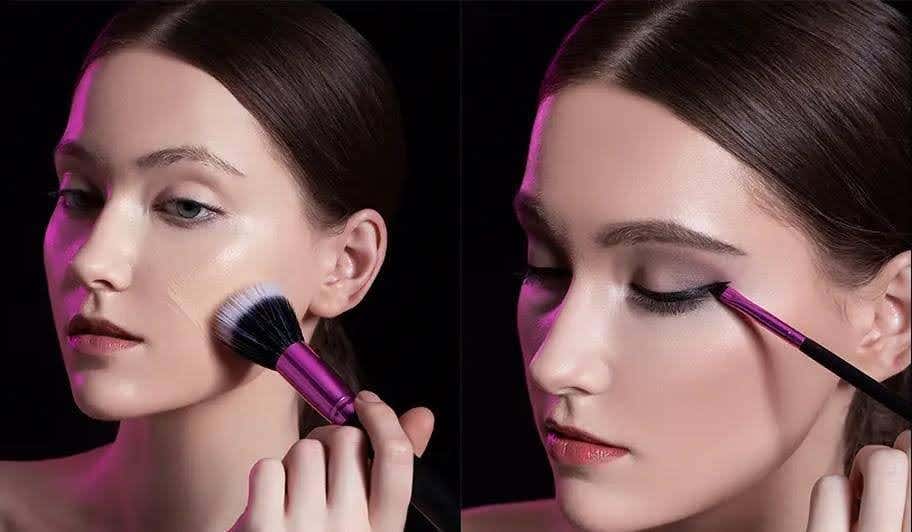
The application techniques for foundation and concealer differ based on their intended purposes and coverage. The foundation is typically applied all over the face using a makeup brush, sponge, or fingertips, blending it evenly from the center of the face outward. It ensures a uniform application and seamless integration with the skin.
Alternatively, concealer is applied sparingly to specific areas of concern using a small brush or fingertip, dabbing or gently patting the product onto the skin until it blends seamlessly with the surrounding foundation. The goal is to target only the areas that require extra coverage while maintaining a natural-looking finish.
Read Also: Effortless Beauty: Mastering the No Makeup Makeup Look
4. Shade Matching
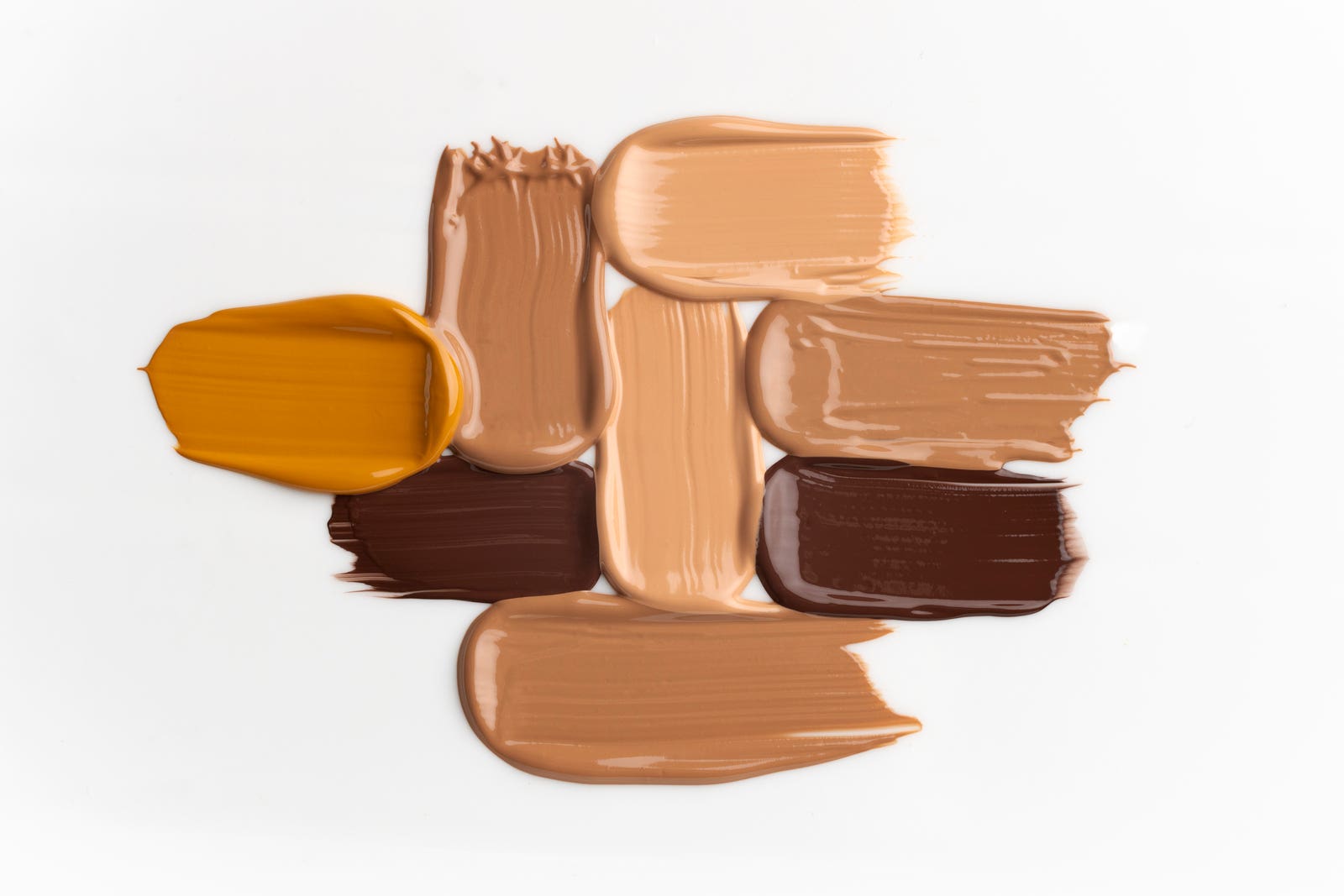
Choosing the right shade of foundation and concealer is crucial for achieving a flawless makeup look. Foundation shades should closely match your natural skin tone and undertone to ensure a seamless blend with your complexion. It's essential to test foundation shades on your jawline or neck in natural lighting to find the perfect match.
Similarly, when selecting a concealer shade, opt for one that matches your foundation or is slightly lighter to brighten and highlight specific face areas. Avoid using a concealer that is too dark or light, as it can create contrast and draw attention to imperfections rather than concealing them effectively.
5. Versatility and Layering
Foundation and concealer can be used alone or in conjunction to achieve different makeup looks and levels of coverage. While foundation provides a base layer of coverage for the entire face, concealer can be used to spot-treat areas that need extra attention, such as under-eye circles, blemishes, or redness.
Additionally, you can layer concealers over the foundation for added coverage before the foundation to address specific imperfections. Experimenting with different layering techniques allows you to customize your makeup application and achieve your desired level of coverage and finish.
Understanding the difference between foundation and concealer is crucial for mastering your makeup routine and achieving a flawless complexion. While foundation provides overall coverage for the entire face, concealer targets specific imperfections with higher coverage. You can effortlessly create a polished and radiant look by leveraging these distinctions.
Ready to enhance your facial radiance further? Explore our dress collection at MASARISHOP.COM, featuring stunning evening dresses that elevate your style and complement your flawless makeup. Upgrade your wardrobe and shine bright on any occasion with our exquisite selection.
Share the News




The people featured in this story are not associated with MASARISHOP.COM and do not endorse it or the products shown
Written by:
MASARISHOP.COM TEAMPhotographed by:
FreepikDate Published:
July 15,2024Date Modified:
July 15,2024Read More


Decode Your Skin: Exploring Different Types of Skin and Their Unique Needs
May 29, 2024
READ AND SHOP NOW