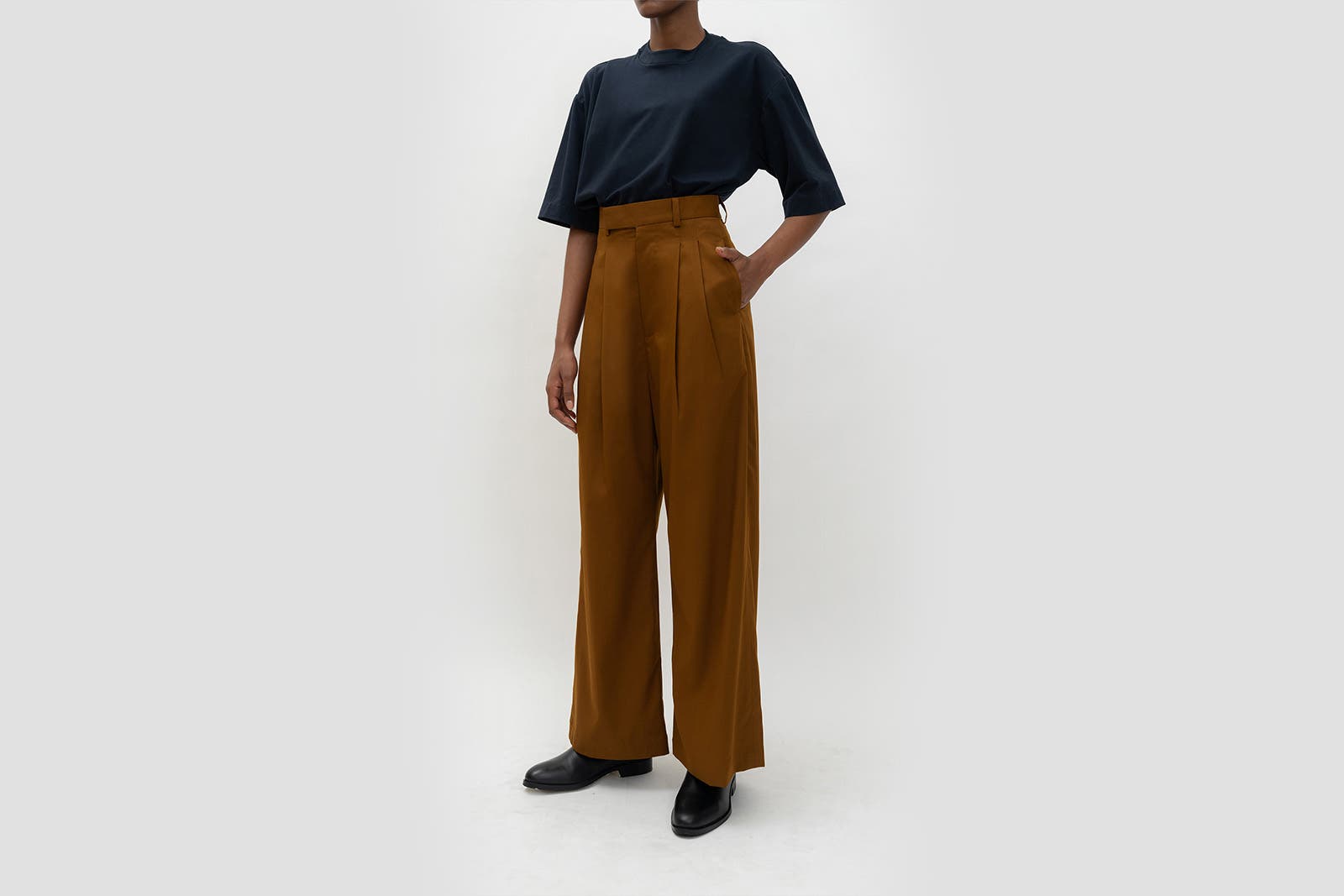
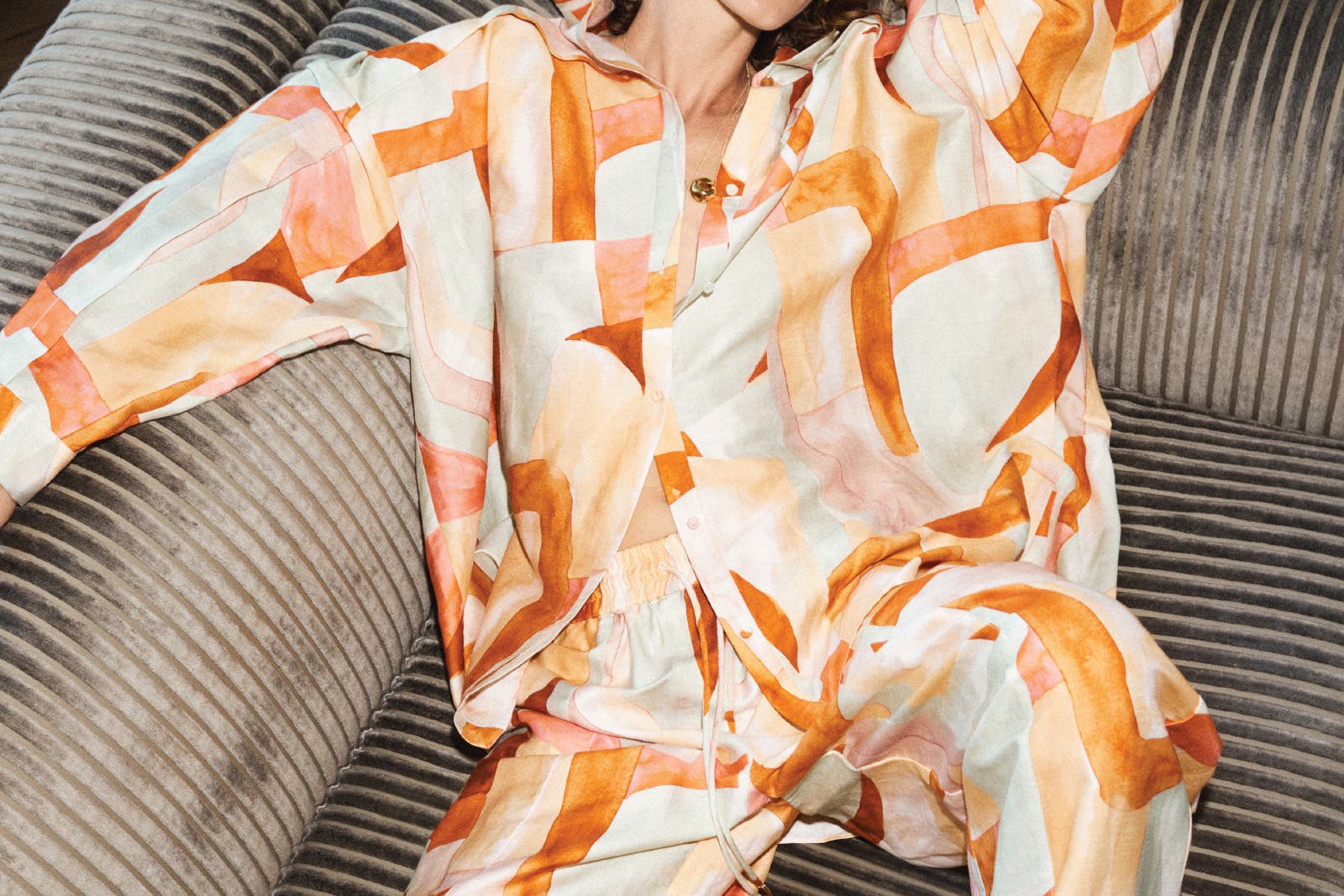
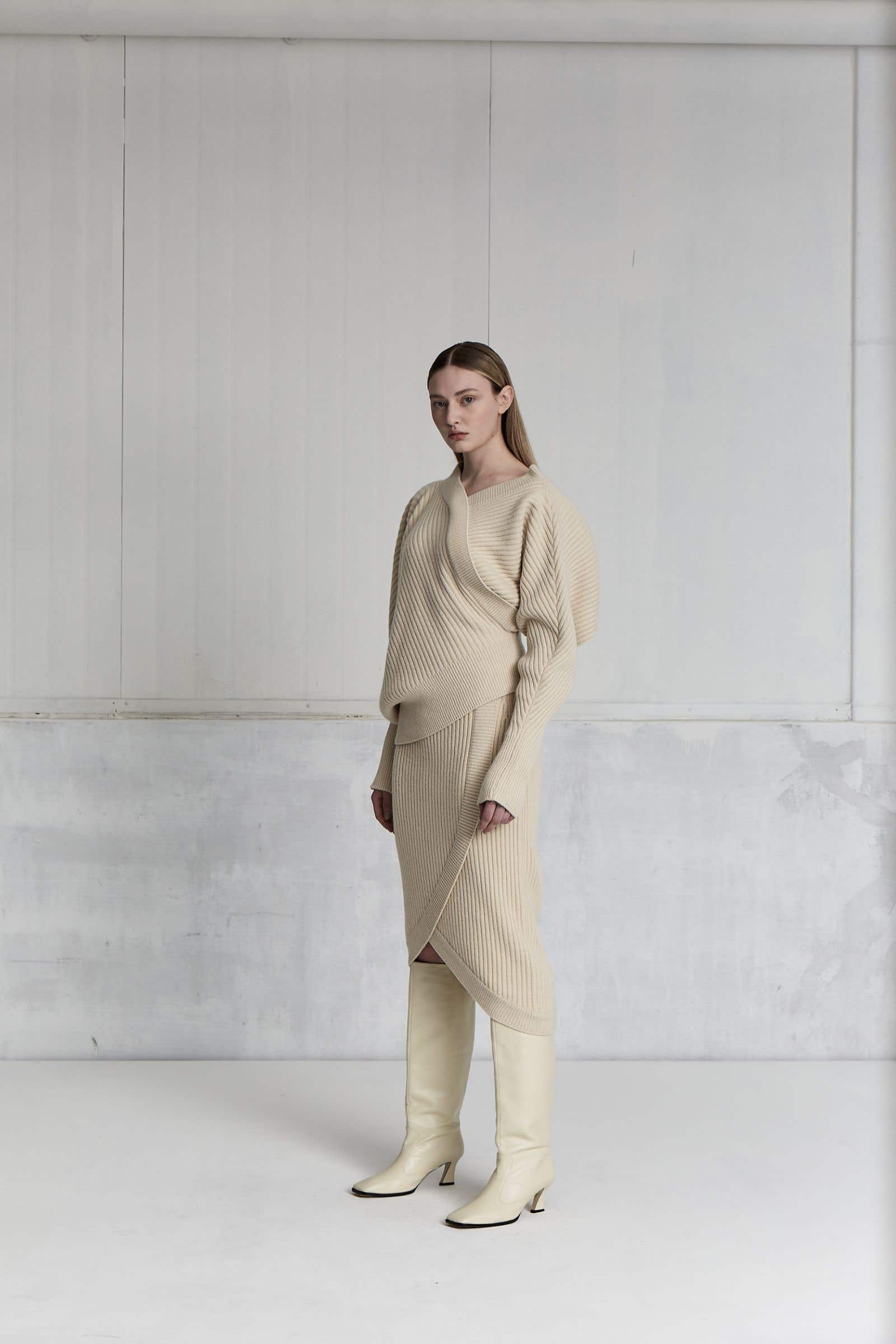
20 Types of Fabric: A Guide to Basic Materials Textures and Uses
Have you ever stood in a store holding two t-shirts that look almost identical, yet one costs $10 and the other $50? More often than not, the difference lies in something invisible at first glance: the fabric. Understanding the types of clothes fabric listed on a clothing tag allows you to evaluate quality beyond branding, helping you choose pieces that feel better, last longer, and perform as expected.
Fabric is essentially the DNA of clothing. It determines how a garment drapes, how breathable it feels, how it reacts to heat and moisture, and how much care it requires over time. By understanding different types of fabric, from natural fibers to engineered materials, you can make informed decisions whether you are building a timeless wardrobe, choosing performance wear, or selecting breathable fabrics for warm climates.
Natural Fabric Types
Natural fabrics are derived from plants or animals and are valued for their comfort, breathability, and skin-friendly properties. These natural fabric materials allow air to circulate freely and absorb moisture efficiently, making them ideal for everyday wear, warm climates, and sensitive skin. Their tactile quality and organic texture also contribute to a sense of understated luxury.
1. Cotton
Cotton is the most widely used natural fiber in the world, prized for its softness, breathability, and versatility. It feels comfortable against the skin, absorbs moisture well, and works beautifully for t-shirts, shirts, underwear, and bedding. High-quality cotton can also be remarkably durable when properly cared for.
2. Silk
Silk is a natural protein fiber known for its smooth surface, subtle sheen, and elegant drape. It feels cool on the skin and regulates temperature effectively, making it suitable for both warm and cooler conditions. Often associated with luxury, silk is commonly used for blouses, dresses, scarves, and eveningwear.
3. Wool
Wool is sourced from sheep and is naturally insulating due to its crimped fibers that trap air. It provides warmth without excessive weight and can absorb moisture while remaining comfortable. Wool is commonly used for sweaters, coats, and tailored garments designed for cooler climates.
4. Linen
Made from the flax plant, linen is one of the most breathable fabrics available. Its crisp texture promotes airflow and keeps the body cool in hot, humid weather. Linen naturally wrinkles, which adds to its relaxed elegance and charm over time.
5. Bamboo
Bamboo fabric is celebrated for its softness and moisture-absorbing properties. It feels gentle on the skin and is naturally breathable, making it ideal for loungewear, active basics, and underwear. Many bamboo fabrics are also appreciated for their eco-conscious appeal.
6. Leather
Leather is crafted from animal hides and valued for its durability and character. Over the time, it develops a rich patina that enhances its appearance. Leather is commonly used for jackets, shoes, bags, and accessories where structure and longevity are essential.
Read Also: 8 Best Clothing Material for Hot Weather to Keep You Cool
Synthetic Fabric Types
Synthetic fabrics are engineered through chemical processes and designed for performance, durability, and ease of care. Unlike natural fibers, they often resist moisture absorption and instead promote moisture-wicking, making them ideal for activewear and travel clothing. These materials are lightweight, resilient, and highly functional.
1. Polyester
Polyester is one of the most commonly used synthetic fibers, especially in sportswear. It wicks moisture away from the skin, dries quickly, and maintains its shape well. Its wrinkle resistance and durability make it a practical choice for everyday and performance clothing.
2. Spandex
Spandex, also known as elastane or Lycra, is rarely used alone but blended with other fibers to provide stretch and flexibility. Even a small percentage can dramatically improve comfort and fit, allowing garments to move naturally with the body.
3. Nylon
Nylon is known for its exceptional strength and lightweight feel. Originally developed as an alternative to silk, it is highly resistant to abrasion and moisture. Nylon is often used in outerwear, activewear, hosiery, and accessories that require durability.
4. Acrylic
Acrylic is designed to mimic wool while being lighter and more affordable. It retains warmth effectively and resists wrinkles and moth damage. Acrylic is commonly used in sweaters, scarves, and knitwear blends.

Semi-Synthetic Fabric Types
Semi-synthetic fabrics are made from natural cellulose fibers that are chemically processed to enhance softness and performance. These fabrics combine the comfort of natural materials with the refined drape and color retention of synthetic fibers.
1. Rayon or Viscose
Rayon, also known as viscose, was developed as a more accessible alternative to silk. It offers a fluid drape, smooth texture, and vibrant color absorption. Rayon garments often require gentle care due to their delicate structure.
2. Lyocell or Tencel
Lyocell, commonly branded as Tencel™, is valued for its silky feel, breathability, and strength. Produced through a closed-loop process, it is often highlighted as one of the more sustainable fabric options available today.
3. Modal
Modal is a refined type of rayon known for its exceptional softness and durability. It resists shrinkage and fading, making it a popular choice for premium t-shirts, underwear, and loungewear.
Woven Fabric Types
Woven fabrics are created by interlacing yarns in a structured grid pattern, resulting in strong and stable materials. These fabrics hold their shape well and are often used for tailored and structured garments.
1. Canvas
Canvas is a heavy-duty woven fabric known for its strength and durability. It is commonly used for bags, jackets, and footwear that require structure and resilience.
2. Denim
Denim is a sturdy cotton twill fabric characterized by its diagonal weave. Known for its durability, denim softens with wear and is widely used in jeans, jackets, and casual apparel.
3. Satin
Satin is defined by its smooth surface and glossy finish. It drapes elegantly and is often used in eveningwear, lingerie, and decorative garments where visual refinement is key.
Read Also: 13 T-Shirt Best Materials for Comfort & Durability
4. Corduroy
Corduroy features raised ridges known as wales, giving it a distinctive texture. It offers warmth and durability, making it suitable for trousers, jackets, and autumn-ready pieces.
5. Chiffon
Chiffon is a lightweight, sheer fabric with a soft drape. Often made from silk or synthetic fibers, it is commonly used for blouses, dresses, and layered designs that require fluidity.
Knit Fabric Types
Knit fabrics are constructed by looping yarns together, creating a flexible and stretchable structure. This method allows the fabric to move comfortably with the body, making it ideal for casual and performance wear.
1. Jersey
Jersey knit is smooth, soft, and naturally elastic. It drapes well and is widely used for t-shirts, dresses, and casual tops due to its comfort and versatility.
2. Fleece
Fleece is a knit fabric designed to trap warmth while remaining lightweight. Often made from polyester, it is commonly used in sweatshirts, jackets, and cold-weather activewear.
Simple Rules for Smarter Shopping
Understanding fabric labels transforms shopping into a confident and intentional experience. By recognizing types of fabric material, you gain the ability to predict comfort, durability, and care requirements before making a purchase.
Always start by checking the fabric tag to understand fiber composition. Match the fabric to its function, such as cotton for daily comfort, polyester for workouts, linen for heat, and wool for warmth. Finally, embrace fabric blends, as they often enhance performance, reduce wrinkles, and improve longevity.
Choosing clothing is no longer about guessing or relying on brand names alone. When you understand fabric, you invest in quality, comfort, and longevity. Explore designer clothing crafted with high-quality fabric materials at MASARISHOP.COM, where Masari People discover refined style defined by thoughtful materials and lasting elegance.
Share the News




The people featured in this story are not associated with MASARISHOP.COM and do not endorse it or the products shown
Written by:
Muhammad Reza Erlangga - MASARISHOP.COM TEAMPhotographed by:
Golden GooseDate Published:
February 27, 2026Date Modified:
February 27, 2026Read More