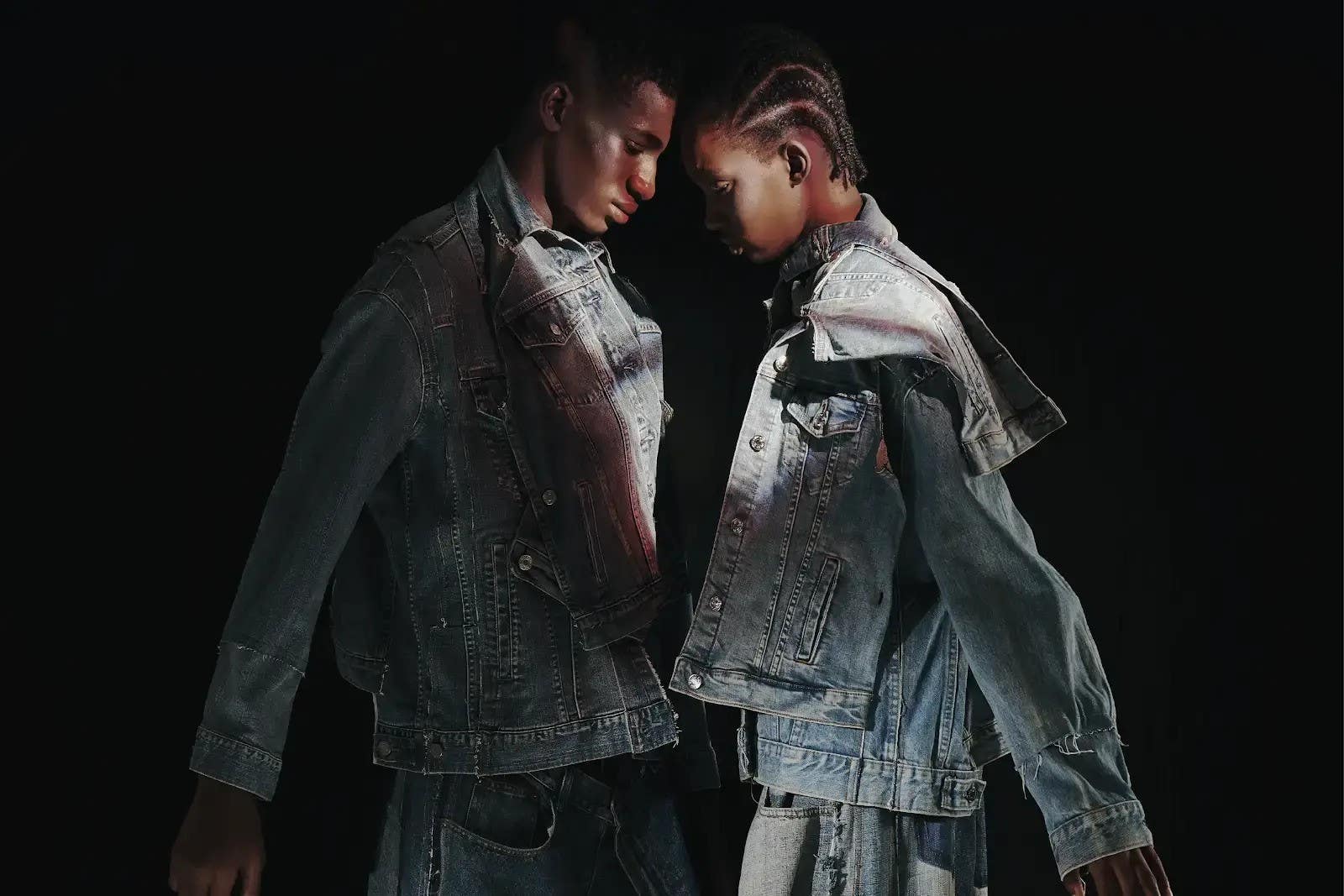
15 Types of Denim: Fabrics, Washes, and Style Differences
Denim is more than just fabric for jeans. It includes sturdy rigid cotton and flexible stretch denim for comfort. There are different washes that change its look, as well as varying weights that affect the feel and behavior. Denim also comes in various colors and finishes, transforming the style of any garment. Knowing these differences helps you choose denim that fits your style, comfort, and everyday needs, leading to a versatile wardrobe suitable for different occasions.
Different Types of Denim Fabric
Denim comes in a variety of constructions and fiber blends, each offering a different feel, level of stretch, and appearance. Understanding these denim types makes it easier to choose a fabric that matches your lifestyle, styling preferences, and comfort needs.
Cotton Denim
Cotton denim is the classic choice for traditional jeans and is often referred to as rigid denim when it contains no stretch fibers. It typically feels firm when new, then gradually softens and develops distinctive fades as it adapts to the wearer's movements. Its durability and authentic appearance make it a timeless choice for denim enthusiasts, although it may feel less flexible during the initial wear period.
Stretch Denim
Stretch denim contains a small percentage of elastane or spandex, typically around 1 to 3 percent, to provide greater flexibility and comfort. It is particularly practical for slim, skinny, and tapered silhouettes because the fabric moves easily with the body and offers a more forgiving fit. Over time, however, repeated wear can cause some stretch denim to lose its shape around the knees and thighs, while its fading may appear softer than rigid denim.
Selvedge Denim
Selvedge denim refers to a weaving technique that creates a clean, finished edge along the fabric, rather than a specific wash or fiber type. It is often recognized by its neatly finished edge, sometimes marked by a contrasting colored line, as well as its dense construction and refined feel. Selvedge denim is valued for its craftsmanship and durability, although the presence of a selvedge edge alone does not automatically indicate superior quality.
Sanforized and Unsanforized Denim
One important distinction when shopping for denim is whether the fabric has been treated to minimize shrinkage. Sanforized denim is pre-shrunk during production, making its sizing more stable after washing, while unsanforized denim can shrink noticeably after its first soak or wash and may require more careful sizing. Understanding this difference is particularly useful when investing in premium or raw denim, where the original fabric dimensions can change considerably after washing.
Denim Blends
Modern denim can incorporate fibers such as Tencel, lyocell, hemp, or polyester to create different textures, levels of softness, and performance characteristics. Tencel and lyocell provide a smooth hand-feel and fluid drape, hemp offers strength and a subtle texture, while polyester can improve durability and wrinkle resistance. For warm and humid climates, lightweight cotton or cotton-Tencel blends can provide a more comfortable alternative to heavy, tightly woven rigid denim.
Read Also: Master Double Denim Styling: Outfit Ideas & Tips
Types of Denim Based on Weight
Denim weight is usually expressed in ounces per square yard, which indicates how heavy and substantial the fabric is. Lightweight, midweight, and heavyweight denim each offer different levels of breathability, structure, durability, and comfort.
Lightweight Denim
Lightweight denim, typically under 10 oz, feels soft, breathable, and comfortable for warmer weather. Its lighter construction makes it ideal for relaxed jeans, shirts, and skirts, although it may be less durable than heavier denim.
Midweight Denim
Midweight denim, generally around 10 to 13 oz, offers a versatile balance of structure, durability, and comfort. It works well for everyday jeans because it provides enough shape without feeling overly heavy.
Heavyweight Denim
Heavyweight denim, usually above 13 oz, has a thicker, more structured feel and develops distinctive fades with wear. While highly durable, heavier weights can feel warm and stiff, so 10 to 12 oz denim may be a more comfortable choice for everyday wear in warmer climates.

Types of Denim Washes
Denim washes influence the color, softness, texture, and overall character of a garment. From naturally fading raw denim to distinctive acid finishes, understanding the types of denim washes can help you identify the aesthetic and level of comfort you prefer.
Raw Denim
Raw denim, also known as dry denim, has not undergone a conventional washing process after dyeing, allowing the fabric to retain much of its original stiffness and deep color. It is prized for its ability to develop personalized fading patterns based on the wearer's movements and lifestyle. Raw denim can initially feel firm and may release excess dye, while washed denim generally feels softer and more broken-in from the beginning.
Washed Denim
Washed denim undergoes additional processing to soften the fabric, reduce excess dye, and create a more comfortable appearance from the first wear. Depending on the treatment, it can range from lightly faded finishes to heavily distressed styles, making it one of the most versatile choices for contemporary wardrobes. Washed denim is especially convenient for everyday styling because it requires less time to develop a worn-in appearance.
Stone Wash and Acid Wash Denim
Stone wash and acid wash are two distinctive finishing techniques that create very different visual effects. Stone washing uses stones or enzymes to produce a softer texture and naturally worn appearance, while acid washing creates high-contrast, cloudy patterns with a bold retro character. Both finishes can add personality to denim, with stone wash lending itself to relaxed everyday looks and acid wash working well for statement-driven styling.
Enzyme Washed Denim
Enzyme washing uses specialized enzymes to soften denim and create subtle fading with less physical abrasion than traditional stone washing. The result is a smoother, more comfortable fabric with a gently worn appearance that retains a refined quality. It is an appealing option for those who want the relaxed character of washed denim while maintaining a relatively clean and understated finish.
Read Also: How to Style Straight Leg Jeans for Any Occasion
Types of Denim Designs and Colors
Color is key in how denim fits into a wardrobe. It affects versatility and the overall mood of an outfit. By exploring different denim designs and colors, you can go beyond classic blue jeans and create looks that range from casual to polished.
Blue Denim
Blue denim remains the most iconic and versatile choice, with shades ranging from deep indigo and dark rinse to medium blue, light wash, and vintage-inspired fades. Darker blues create a polished appearance that works well with tailored pieces, while lighter washes bring a relaxed and casual feel to everyday outfits. A well-chosen blue denim piece can easily transition between seasons and styling aesthetics.
Black Denim
Black denim offers a sleek alternative to traditional blue jeans and works particularly well for monochromatic or urban-inspired outfits. Over time, untreated black denim can gradually fade toward charcoal or grey, creating a distinctive worn-in character, while coated versions can feature a subtle sheen reminiscent of waxed fabric. Black denim can also feel slightly warmer and may show crease marks more visibly, making fabric quality and construction important considerations.
White Denim
White denim brings a crisp, refined quality to casual dressing and works especially well for minimalist, resort-inspired, and summer wardrobes. Its clean appearance pairs easily with neutral tones, vibrant colors, and sophisticated tailoring, making it surprisingly versatile for both relaxed and polished outfits. Look for a substantial fabric with an appropriate lining or construction to provide comfortable coverage while maintaining a clean silhouette.
Practical Guide to Choosing the Right Denim Pants
To find the right jeans, think about your body shape, preferred fit, and comfort. Consider also your proportions, rise, leg style, fabric stretch, and inseam to choose denim that feels good and looks balanced.
For a Straighter Frame
Straight and tapered jeans can add subtle structure while keeping the silhouette balanced. A mid-rise waist also helps create natural proportions without adding bulk.
- Fit: Straight or tapered
- Rise: Mid-rise
- Best feature: Structured fabrics that maintain their shape
For Curvier Hips and Thighs
Choose denim with enough room through the hips and thighs while maintaining a clean leg line. A touch of stretch can provide added comfort and flexibility.
- Fit: Straight or tapered
- Stretch: Around 1 to 2 percent elastane
- Rise: Mid to high rise
For Shorter Legs and Petite Height
High-rise denim and streamlined leg shapes can create a longer, more balanced appearance. A shorter inseam or cropped hem also helps prevent excess fabric from overwhelming the frame.
- Rise: High rise
- Length: Shorter inseam or cropped hem
- Fit: Slim straight or tapered
For Larger Calves
Straight and relaxed jeans provide more room through the lower leg while maintaining a polished silhouette. Consider the calf and thigh measurements as well as the waist for a comfortable fit.
- Fit: Straight or relaxed
- Avoid: Extremely skinny cuts with limited stretch
- Shopping tip: Consider thigh, calf, and rise measurements alongside waist size
Find Your Ideal Denim at MASARISHOP.COM
The right denim comes down to a thoughtful combination of fabric, weight, wash, color, and fit. Whether you prefer lightweight cotton for Indonesia's warm climate, stretch denim for everyday comfort, or raw and selvedge denim for distinctive fading, understanding these differences makes it easier to choose pieces that suit both your lifestyle and personal style.
For a more elevated wardrobe, explore our carefully selected designer denim jeans clothing that brings premium craftsmanship and distinctive design into your everyday rotation. Discover refined denim pieces at MASARISHOP.COM, and let your next pair become a defining part of your wardrobe.
Share the News




The people featured in this story are not associated with MASARISHOP.COM and do not endorse it or the products shown
Written by:
Muhammad Reza Erlangga - MASARISHOP.COM TEAMPhotographed by:
A.P.C. X FRGMTDate Published:
September 7, 2026Date Modified:
September 7, 2026Read More