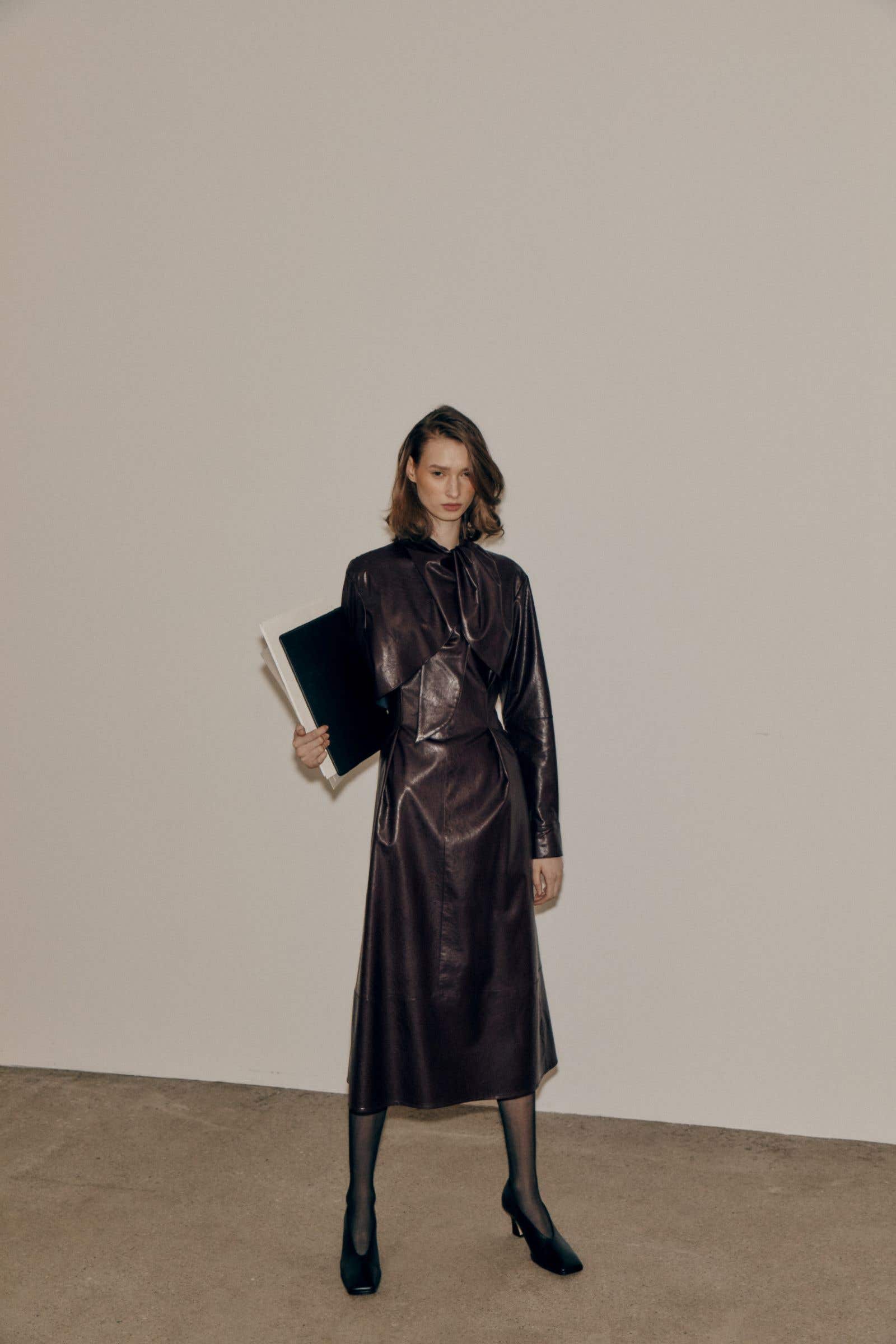
Blended Fabric Materials: A Guide to Synthetic Blends Benefits and Uses
Masari People, have you ever purchased a 100% cotton shirt that looked impeccable on the rack, only to find it wrinkled and misshapen after a single wash? While natural fabrics are often seen as the gold standard, they can come with limitations such as shrinking, creasing, and losing structure over time. These everyday frustrations highlight the need for a more balanced approach to fabric innovation.
Think of fabric development as a carefully crafted recipe. On its own, a single fiber may not deliver the ideal result, but when combined thoughtfully, it creates something far more functional and refined. Blended fabrics embody this synergy, merging the softness of natural fibers with the resilience of synthetics. The result is clothing that feels comfortable, performs better, and adapts seamlessly to modern lifestyles.
What Is Blended Fabric?
Blended fabric refers to textiles created by combining two or more different fibers, typically natural and synthetic, to enhance performance and functionality. This process allows manufacturers to balance the strengths of each material, such as the breathability of cotton and the durability of polyester, resulting in fabrics that are more versatile, long-lasting, and easier to care for than single-fiber textiles.
The History and Development of Blended Fabric Material
Blended fabrics were created to address the shortcomings of natural fibers in production and everyday use. With the rise of synthetic fibers in the 20th century, the textile industry began to focus on combining materials to improve durability, reduce upkeep, and enhance comfort. What started as a practical solution for uniforms and industrial needs has evolved into stylish applications, making blended fabrics essential in modern fashion for their functionality and unique textures, structure, and drape.
How are Blended Fabric Made?
Blended fabrics are made by mixing different fibers during yarn production or fabric construction. In fiber blending, materials are combined before spinning them into yarn for an even mix of properties. Yarn blending involves weaving or knitting different yarns together for specific traits. This process is managed with advanced textile engineering to balance softness, strength, elasticity, and appearance, ensuring the fabric remains durable and high-quality after frequent use and washing.
The Impact of Blended Fabrics for Environmental & Sustainability
Mixed materials fabrics have both benefits and challenges for sustainability. They can make garments last longer and reduce the need for replacements, helping to lower overall consumption. Their easy-care features, like wrinkle resistance and quick drying, also save water and energy during maintenance. However, recycling these blended materials is difficult because of the different fibers used. As a result, the industry is looking for more sustainable options, such as recycled synthetics and responsibly sourced natural fibers, to create eco-friendlier textiles.
Read Also: Top 12 Cotton Fabrics for Pants You Can Explore
Different Types of Blended Fabrics You Need To Know
Synthetic blend fabric come in various compositions, each designed to deliver specific benefits for different lifestyles and occasions. Understanding these combinations allows you to choose garments that align with both your comfort and performance needs.
1. Polyester Cotton (Poly-cotton)
Polyester-cotton blends usually have about 60% cotton and 40% polyester. This mix offers softness and durability. Cotton ensures breathability and a nice feel, while polyester helps the fabric keep its shape and resist stretching. This results in clothes that look good all day.
Poly-cotton is commonly used for shirts, uniforms, and everyday clothing due to its durability and easy care. It is wrinkle-resistant and quick-drying, ideal for busy lifestyles. To care for poly-cotton clothes, machine wash with mild detergent and dry on low heat to maintain their appearance.
2. Cotton Spandex
Cotton spandex blends usually have 2% to 5% spandex, which improves flexibility and stretch recovery. Cotton provides softness and breathability, while spandex adds elasticity, allowing the fabric to move with the body and return to its shape easily.
This blend is commonly used in fitted clothing like jeans, tops, and tight dresses for comfort and shape retention. It helps prevent sagging in areas like knees and elbows, keeping a smooth silhouette. For best results, wash in cold water and avoid high heat to maintain the fiber's elasticity.
3. Wool Acrylic (Wool-synthetic)
Wool acrylic blends mix the warmth of wool with the lightweight, easy-care features of acrylic. Wool keeps you warm, while acrylic adds softness, reduces itchiness, and prevents shrinkage, making these blends more practical than pure wool.
You often find these blends in sweaters, outerwear, and winter accessories that need both comfort and durability. They are easier to care for than pure wool, as many items are machine washable and resist deforming. Gentle washing and air drying help keep their shape and softness over time.
4. Tri-Blends (Polyester, Cotton, and Rayon)
Tri-blend fabrics combine polyester, cotton, and rayon to create a textile known for its exceptional softness and fluid drape. Cotton contributes comfort, polyester adds durability, and rayon enhances the fabric’s smooth texture and natural movement, resulting in a balanced and refined finish.
This blend is popular for casual wear like t-shirts and lightweight tops that offer a relaxed but polished look. The fabric feels light on the skin and keeps its shape with regular use. To care for tri-blends, wash gently and air dry to maintain softness and drape.
5. CVC (Chief Value Cotton)
CVC blends prioritize a higher cotton content, typically above 50%, combined with a smaller percentage of polyester to improve durability. This composition ensures excellent breathability while reducing shrinkage and maintaining the garment’s structure after repeated washing.
CVC fabrics are great for everyday clothing like polos, t-shirts, and casual wear because they are comfortable. They have a natural feel and are durable, making them suitable for daily use. They can be easily machine washed and dried at moderate temperatures to keep them in good condition.

6. Rayon Linen
Rayon linen blends combine the crisp, breathable nature of linen with the smooth, soft drape of rayon. Linen provides structure and airflow, while rayon softens the texture and reduces stiffness, resulting in a fabric that feels both relaxed and refined.
This blend is well-suited for warm-weather garments such as dresses, shirts, and resort wear, offering a polished yet effortless look. It tends to wrinkle less than pure linen and feels more comfortable against the skin. To maintain its quality, gentle washing and air drying are recommended.
7. Cotton Linen
Cotton linen blends merge the durability of linen with the softness of cotton, creating a breathable fabric with a slightly structured appearance. The cotton softens the natural coarseness of linen, making the fabric more wearable while retaining its airy quality.
Commonly used for summer clothing such as shirts, trousers, and lightweight outerwear, this blend offers both comfort and a refined aesthetic. It is ideal for warm climates and relaxed tailoring. Washing in cool water and avoiding excessive heat helps preserve its natural texture.
8. Silk-synthetic
Silk-synthetic blends combine the luxurious sheen and softness of silk with the strength and resilience of synthetic fibers such as polyester. This pairing enhances durability while maintaining an elegant finish, making the fabric more accessible and easier to care for.
These blends are often used for blouses, dresses, and eveningwear where a refined appearance is essential. They offer a similar visual appeal to pure silk with improved practicality. Hand washing or using a delicate cycle is recommended to maintain their smooth texture.
9. Nylon Spandex
Nylon spandex blends are engineered for performance, combining the strength and lightweight feel of nylon with the stretch of spandex. This results in a fabric that is highly flexible, durable, and resistant to wear, making it ideal for active lifestyles.
Commonly used in activewear, swimwear, and fitted garments, this blend supports movement while maintaining shape and comfort. It is quick-drying and retains elasticity even after repeated use. To extend its lifespan, wash in cold water and avoid high heat drying.
Read Also: 13 T-Shirt Best Materials for Comfort & Durability
The Advantages Using Blended Fabrics
Blended fabrics are designed to enhance everyday wear by combining the best qualities of multiple fibers. This thoughtful composition results in garments that are not only functional but also refined and adaptable to modern lifestyles.
1. Lasting Strength
Blended fabrics are more durable than single-fiber materials, as synthetic components reinforce the structure and reduce wear over time. This makes garments more resistant to stretching, shrinking, and tearing, ensuring long-term usability.
2. Elevated Comfort
By combining soft natural fibers with flexible synthetics, blended fabrics offer enhanced comfort without compromising performance. They feel gentle on the skin while allowing ease of movement throughout the day.
3. Perfect Fit
Blends that include elastic fibers provide better shape retention and adaptability to the body. This ensures garments maintain their silhouette while offering a more tailored and flattering fit.
4. Easy Care
Blended fabrics are often wrinkle-resistant and quick-drying, reducing the need for ironing and extensive maintenance. This makes them ideal for individuals with busy, on-the-go lifestyles.
5. Smart Value
By improving durability and reducing maintenance needs, blended fabrics offer better long-term value. They extend the lifespan of clothing, making them a cost-effective investment for a versatile wardrobe.
Choose Your Right Blend for Every Occasion
Understanding blended fabrics allows you to approach fashion with intention and clarity. Each garment is designed as a balance of performance, comfort, and style, giving you the ability to select pieces that align with your daily needs. Rather than relying on trial and error, you can now read fabric compositions with confidence and build a wardrobe that works seamlessly for your lifestyle.
So Masari People, elevate your wardrobe with thoughtfully crafted pieces that combine innovation and elegance. Discover a curated selection of premium ready to wear fashion only at MASARISHOP.COM, where quality fabrics and modern design come together to support your everyday style with lasting sophistication.
Share the News




The people featured in this story are not associated with MASARISHOP.COM and do not endorse it or the products shown
Written by:
Muhammad Reza Erlangga - MASARISHOP.COM TEAMPhotographed by:
Peggy HartantoDate Published:
May 4, 2026Date Modified:
May 4, 2026Read More


Understanding Luxury Clothing: Definition, Selection, and Top Brands
August 26, 2025
READ AND SHOP NOW