6 Jewelry for Sensitive Skin: Safe Materials and Styling Tips
Choosing jewelry should feel like an effortless part of getting dressed, even when your skin is easily irritated. From earrings and necklaces to bracelets and rings, selecting skin-friendly materials, smooth finishes, and comfortable designs can help you enjoy polished accessories while reducing the risk of itching, redness, or discomfort.
Why Does Some Jewelry Irritate Sensitive Skin?
Jewelry can irritate sensitive skin when certain metals, coatings, finishes, or physical friction trigger a reaction. Nickel is one of the most common causes of allergic contact dermatitis from jewelry, while prolonged contact with sweat, perfume, lotion, or sunscreen can further increase discomfort.
Plated or coated jewelry may also become problematic as its surface wears down and exposes the underlying metal. Understanding what a piece is made from, how it is finished, and how it fits against the skin makes it easier to build a jewelry collection that feels as good as it looks.
6 Safest Jewelry Materials for Sensitive Skin
The best jewelry for sensitive skin typically uses clearly identified materials that are less likely to cause irritation. Look for transparent labeling and consider how the entire piece, including clasps, posts, backs, and other small components, will interact with your skin.
1. Titanium
Titanium is lightweight, durable, and widely used for earrings and body jewelry because it can be a practical option for people with metal sensitivities. Choose pieces made from clearly specified titanium rather than vague metal blends, particularly for earrings that remain in contact with pierced skin for long periods. Its clean appearance also works beautifully for minimalist and contemporary jewelry styling.
2. Surgical-Grade Stainless Steel (316L)
316L stainless steel is durable, resistant to corrosion, and commonly used in jewelry designed for regular wear. It can be a suitable choice for earrings, rings, bracelets, and other everyday pieces when the grade is clearly stated and appropriate for skin contact. If you have a known nickel allergy, check the product specifications carefully because stainless steel can contain nickel.
3. High Karat Gold (14K & 18K)
14K and 18K gold can be comfortable choices for sensitive skin jewelry, particularly when you choose solid gold rather than thin plating. Higher-karat gold contains a greater proportion of gold, while the remaining alloy metals can vary by piece and manufacturer. For everyday styling, well-made gold jewelry offers a polished finish that transitions easily from understated daytime looks to more refined evening ensembles.
4. Platinum
Platinum is a durable precious metal that is naturally well suited to fine jewelry and long-term wear. It is commonly used for rings and other pieces that remain close to the skin throughout the day, while its naturally white appearance gives it a sophisticated finish. Its durability also makes platinum an appealing investment for anyone building a refined jewelry wardrobe around timeless pieces.
5. Niobium
Niobium is less common in mainstream fashion jewelry but is often chosen by people who experience sensitivity to other metals. It is lightweight and can be used for earrings and other pieces that sit directly against the skin. When shopping for niobium jewelry, look for clearly identified material specifications and smooth finishes to make sure the entire piece is suitable for comfortable wear.
6. Sterling Silver
Sterling silver can be comfortable for many people, although it is an alloy rather than pure silver and may contain other metals. Look for clearly labeled sterling silver and pay attention to how your skin responds, particularly if you are sensitive to specific alloy components. Its classic finish makes it an easy choice for everyday earrings, delicate chains, rings, and layered jewelry looks.
Read Also: Is Titanium Good for Jewelry? Guide for Stylish Yet Durable
Jewelry Materials and Finishes to Approach with Caution
If you are looking for hypoallergenic jewelry for sensitive skin, material transparency is especially important. Nickel-containing alloys, worn plating, and unidentified metals can make it harder to determine what is actually touching your skin.
1. Nickel-Containing Alloys
Nickel is a well-known trigger of allergic contact dermatitis and is commonly found in some fashion jewelry and metal alloys. If you know you are nickel-sensitive, check product specifications carefully and look for pieces specifically designed to limit nickel exposure. Earrings deserve particular attention because the metal remains close to pierced skin.
2. Unknown Base Metals
Jewelry described only as “metal,” “mixed metal,” or “alloy” provides limited information about its composition. Without a clear material description, it is difficult to assess whether the piece is suitable for sensitive skin. Choose brands and retailers that provide specific information about the metal used throughout the design.
3. Thin Plating
Gold-plated and silver-plated jewelry can initially feel comfortable because the skin touches the outer coating. Over time, frequent wear, moisture, and friction can cause plating to fade and expose the base metal underneath. If you experience irritation with plated pieces, consider solid materials or higher-quality construction for jewelry intended for frequent wear.

4. Costume Jewelry with Painted Finishes
Painted or decorative coatings can chip, fade, or develop rough surfaces as jewelry ages. These changes may increase friction and expose underlying materials that your skin may not tolerate. Inspect frequently worn pieces for peeling or damaged finishes and replace them when the surface no longer feels smooth.
5. Heavy Pieces
Heavy jewelry can create irritation through pressure and repeated movement even when the material itself is suitable for sensitive skin. Large earrings may pull on earlobes, while substantial bracelets or necklaces can rub against the skin throughout the day. For statement styling, choose lighter designs or wear heavier pieces for shorter occasions.
6. Brass and Copper
Brass and copper are popular for their warm, distinctive finishes, but they can react with sweat and natural skin oils and may cause discoloration or irritation for some wearers. Their surfaces can also change over time with exposure to moisture. If you enjoy these metals, consider wearing them for shorter periods and monitor how your skin responds.
7. Low Karat Gold (<10K)
Gold under 10K contains a higher proportion of alloy metals because it has less pure gold by weight. Those additional metals can include substances that may be irritating for people with specific sensitivities. If gold jewelry is part of your daily wardrobe, 14K or 18K pieces with clearly disclosed alloy information may offer a more suitable option.
How to Choose Jewelry Pieces That Fit Your Lifestyle
The most comfortable jewelry choices depend on how, where, and how often you wear them. A simple shopping checklist can help you make more informed choices while keeping your personal style intact.
A useful checklist includes:
- Check the complete material description: Choose pieces with clearly identified metals and finishes.
- Consider solid materials where practical: They provide more consistent surface contact than thin plating.
- Inspect every contact point: Check posts, backs, clasps, jump rings, and other small hardware.
- Test one piece first: See how your skin responds before investing in a complete set.
- Match the material to the occasion: Everyday jewelry benefits from maximum comfort, while occasional statement pieces can be selected with wear time in mind.
This approach makes jewelry shopping more intentional. Once you know which materials and designs work for you, building a polished collection becomes considerably easier.
Read Also: 8 Best Earrings for Round Faces to Enhance Your Features
Smart Styling Tips for Sensitive Skin
Sensitive skin can still work beautifully with layered necklaces, statement earrings, and carefully curated jewelry combinations. The key is to reduce unnecessary friction, moisture, and prolonged contact while choosing the pieces that sit closest to the skin with greater care.
Try these habits:
- Put jewelry on last: Allow perfume, lotion, sunscreen, and hair products to dry before adding accessories.
- Remove jewelry before workouts: Sweat and repeated movement can increase friction and discomfort.
- Rotate your pieces: Give frequently worn areas a break from constant pressure and contact.
- Keep heavier styles occasional: Wear statement earrings and chunky necklaces for shorter periods when needed.
- Choose skin-friendly basics for layering: Let your most comfortable chain or earrings provide the closest contact with your skin.
- Clean jewelry regularly: Remove accumulated oils, dust, sweat, and product residue from frequently worn pieces.
Layering can remain part of your signature look. Try pairing a skin-friendly chain with a pendant that rests over clothing, or use earrings made from materials you tolerate well while experimenting with brooches and other accessories that have limited direct skin contact.
How to Care for and Store Your Jewelry
Thoughtful jewelry care helps preserve both the appearance of your pieces and the smooth surfaces that come into contact with your skin. Proper storage also reduces scratches, tarnishing, and damage to delicate finishes.
Try these simple habits:
- Store pieces somewhere dry: Keep jewelry separated to minimize scratching and surface damage.
- Inspect finishes regularly: Scratches, worn plating, and rough areas can increase friction or expose underlying metals.
- Wipe jewelry after wearing it: A soft, clean cloth can remove oils, sweat, and product residue.
- Clean according to the material: Use care methods appropriate for gold, silver, platinum, titanium, or other specific metals.
- Retire damaged pieces temporarily: If jewelry becomes rough, sticky, discolored, or damaged, stop wearing it until the surface has been properly cleaned or repaired.
Most importantly, pay attention to your skin. If a piece causes itching, warmth, redness, or tenderness, remove it and give the affected area time to recover rather than continuing to wear it.
Choose Jewelry That Complements Your Skin and Style
Finding the right jewelry for sensitive skin comes down to choosing clearly identified materials, smooth finishes, comfortable designs, and pieces that suit your everyday routine. Start with skin-friendly options for the jewelry you wear most often, then build your collection around pieces that make you feel polished and comfortable.
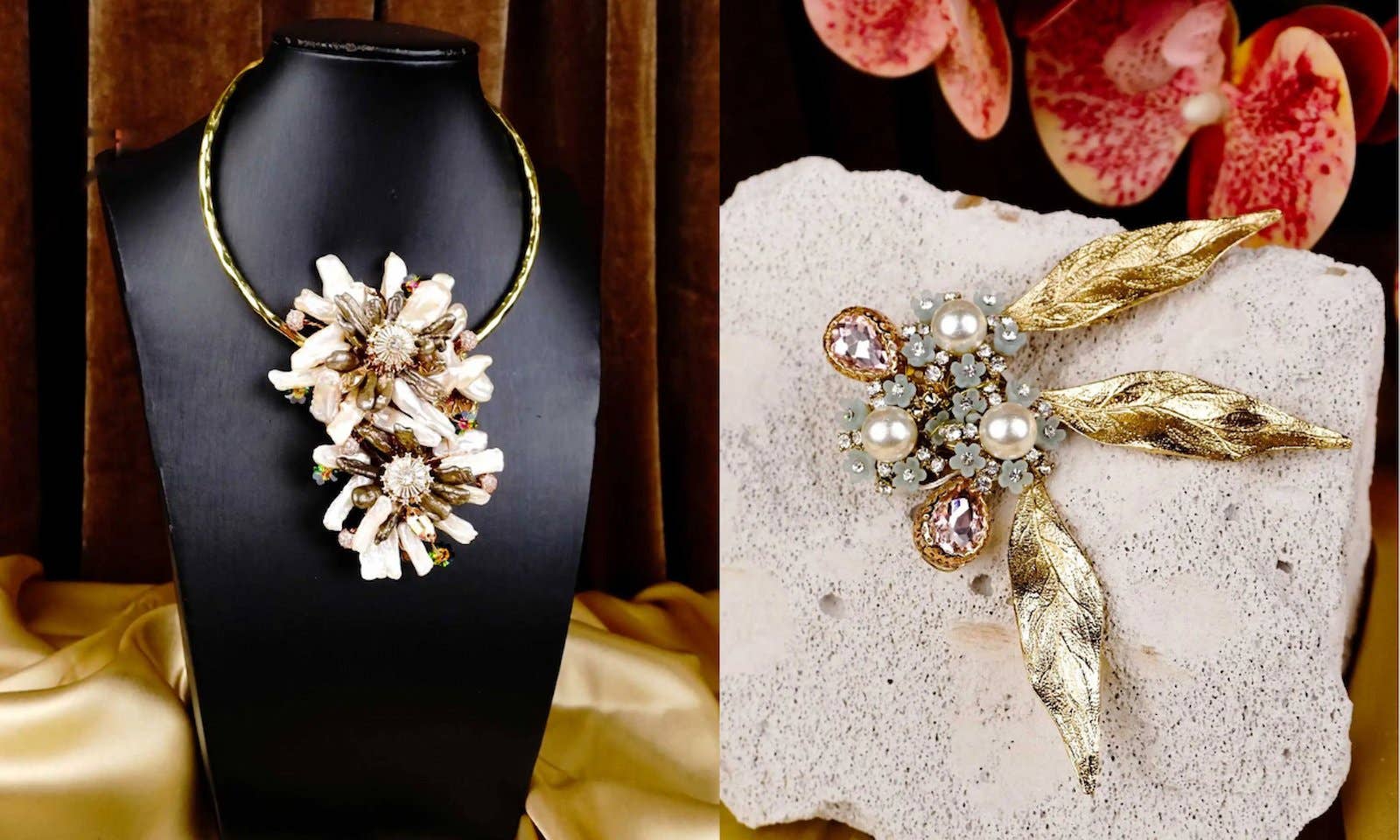
Elevate your everyday styling with designer jewelry from names such as ISAGO, available at MASARISHOP.COM. From distinctive statement pieces to refined everyday accents, explore thoughtfully designed accessories that bring an elegant finishing touch to your wardrobe. For Masari People, it is an effortless way to discover pieces that feel considered, expressive, and uniquely personal.
Share the News




The people featured in this story are not associated with MASARISHOP.COM and do not endorse it or the products shown
Written by:
Muhammad Reza Erlangga - MASARISHOP.COM TEAMPhotographed by:
ISAGODate Published:
September 22, 2026Date Modified:
September 22, 2026Read More